Shop our best sellers
 Pink Bandhej Printed Dola Silk Saree
₹ 750
 Multi Satin Georgette Saree
₹ 1,050
 Cream Colour Double Border Chex Weaving Banarasi Soft Silk Saree
₹ 999
 White Soft Silk Pashmina Kashmiri Print Saree
₹ 999
 Sky Blue Satin Georgette Saree
₹ 1,050
 Peach Ombre Chinnon Chiffon Floral Print Saree with Pink Pallu
₹ 750
 Soft Silk Pashmina Kashmiri Print Saree
₹ 999
 Sky Blue Pochampally Patola Soft Silk Saree
₹ 1,050

At Vastranand, we believe the saree is more than just clothing; it's a vibrant expression of India's cultural mosaic. Each region boasts its unique weaves, fabrics, and techniques, creating a breathtaking panorama of saree styles. Today, you'll join us on a journey across India, exploring some of the most beloved saree varieties:
The Enchanting Silks
- Kanjivaram Saree (Tamil Nadu): Drape yourself in royalty with a Kanjeevaram saree. Woven from mulberry silk in Kanchipuram, Tamil Nadu, and adorned with zari borders and intricate motifs, these sarees are known for their luxurious feel and heirloom quality.
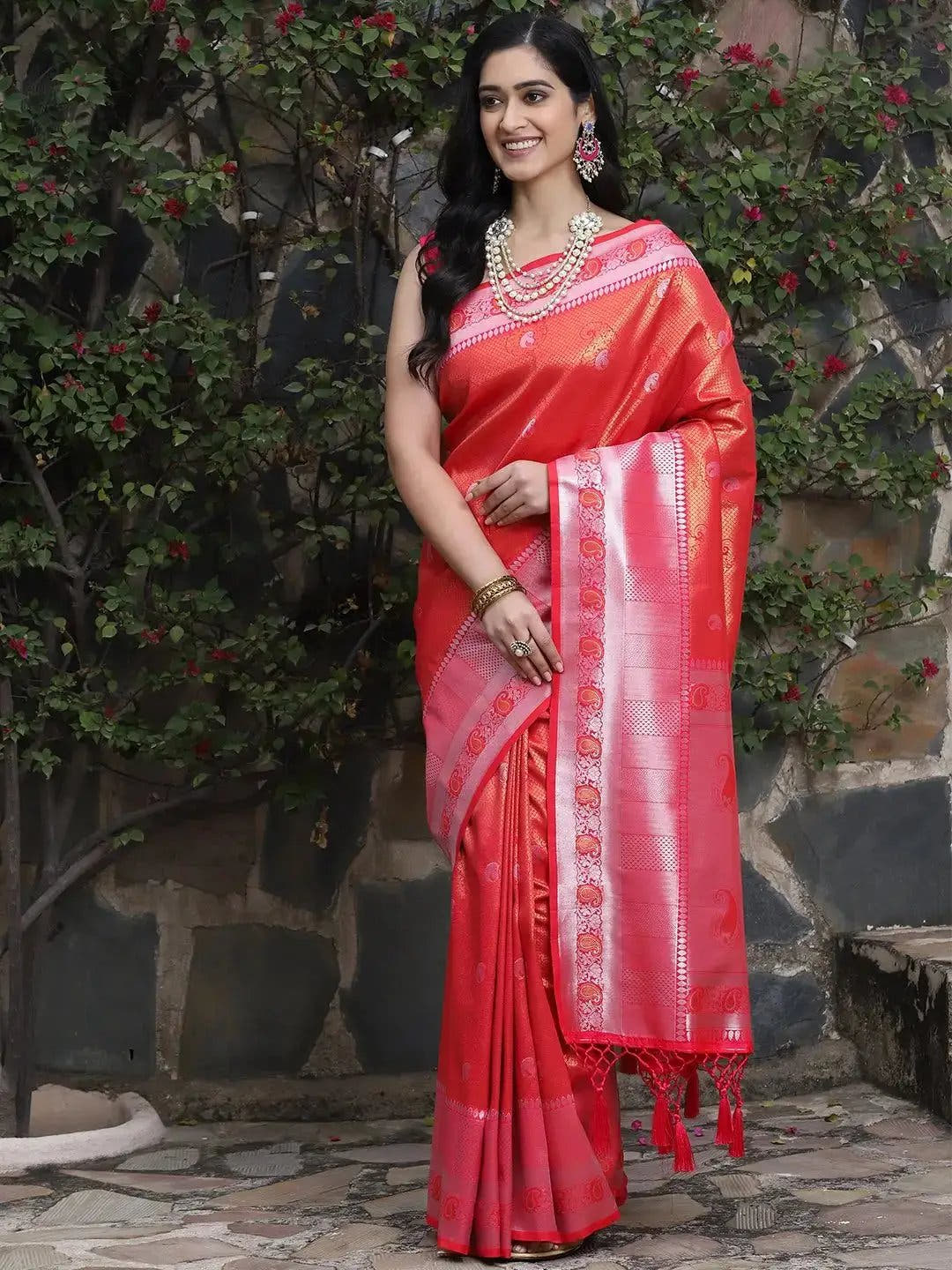
- Banarasi Saree (Varanasi, Uttar Pradesh): Immerse yourself in the rich brocade work and gold thread embellishments of a Banarasi saree. Crafted from silk or organza in Varanasi, Uttar Pradesh, these sarees are renowned for their detailed craftsmanship and timeless elegance.
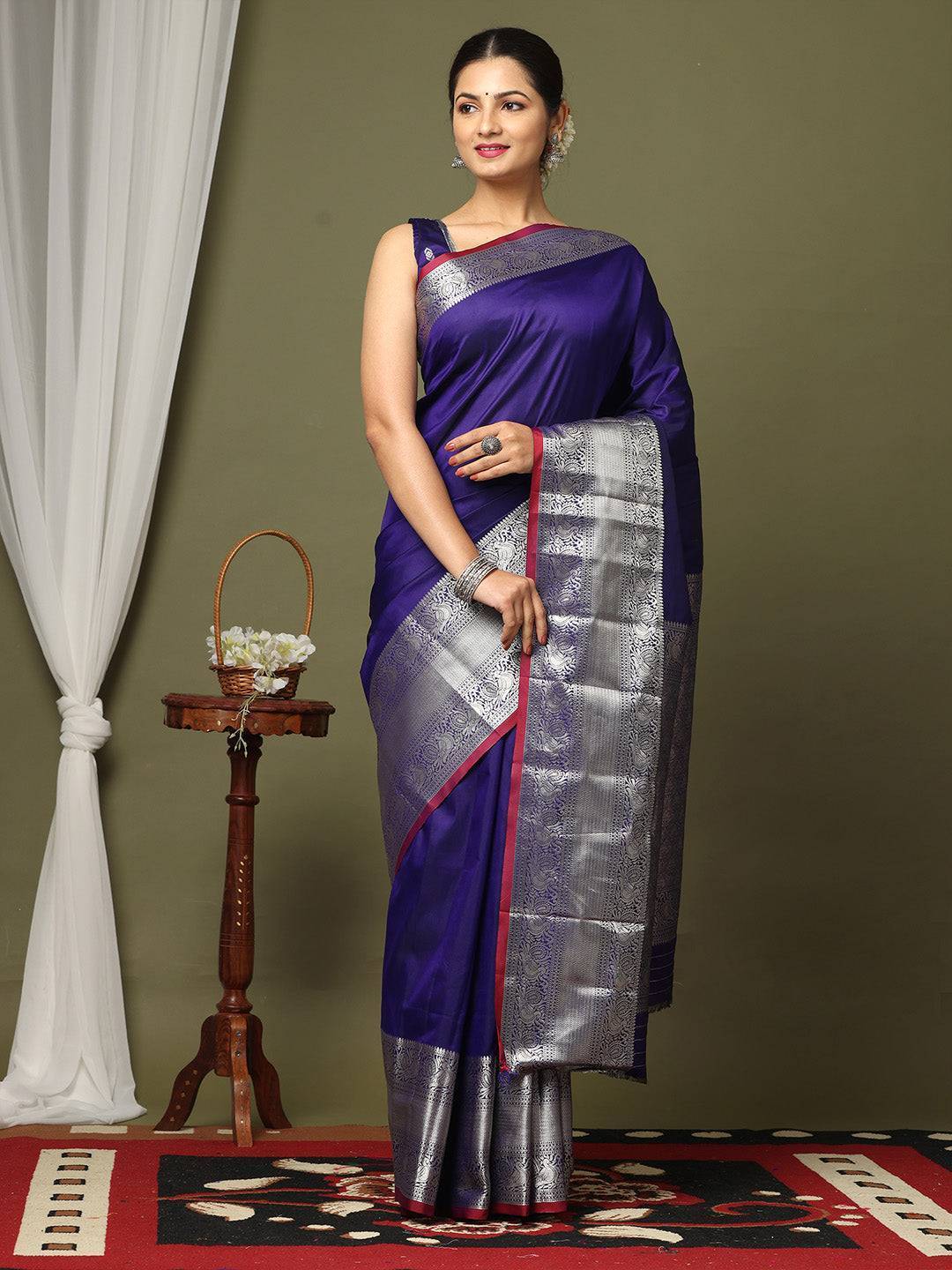
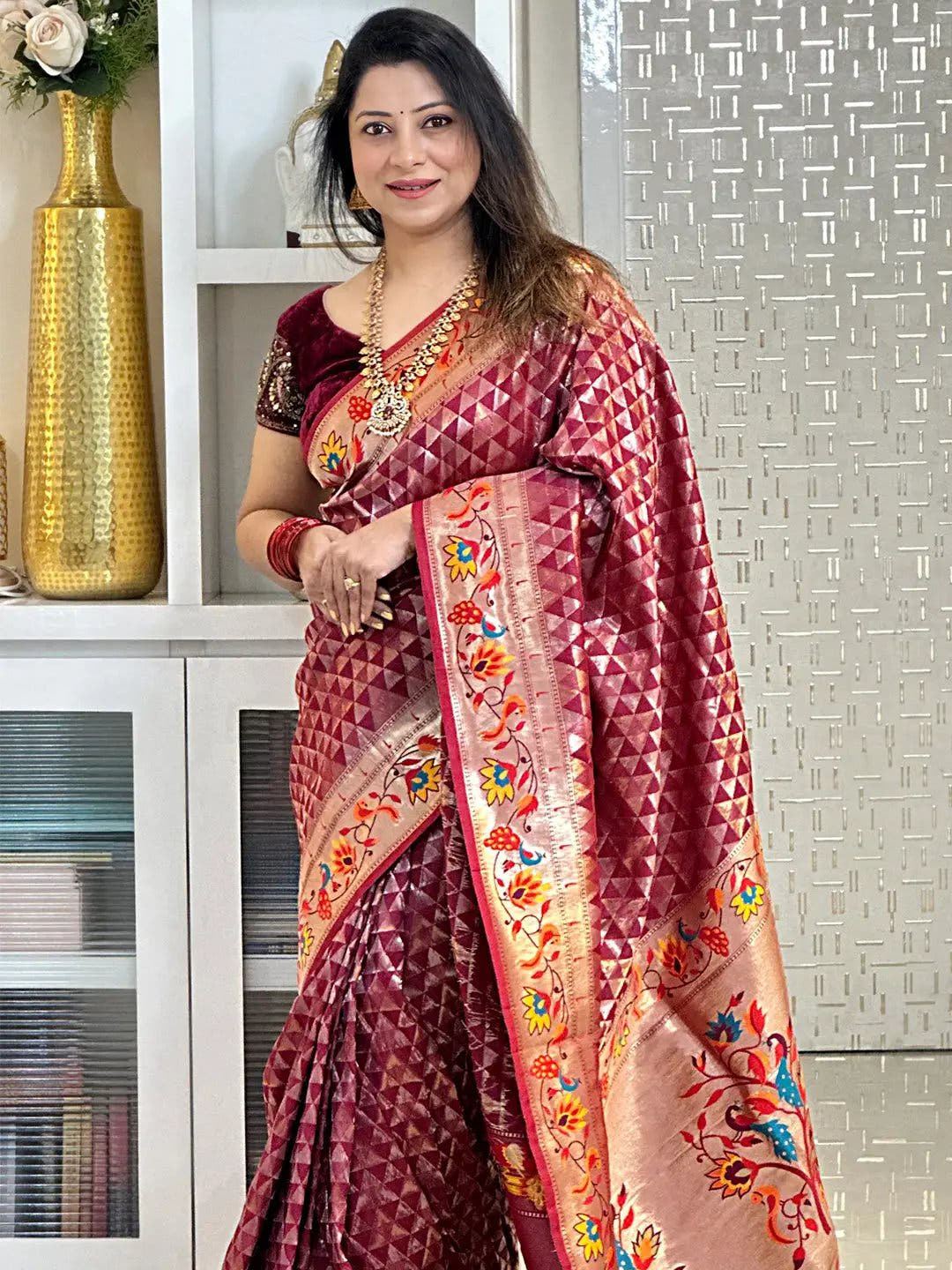
- Paithani Saree (Maharashtra): Be mesmerized by the geometric patterns and vibrant colors of a Paithani saree. Woven from silk using the extra weft technique in Paithan, Maharashtra, these sarees are known for their beautiful pallus and durability.
The Comfort of Cottons:
- Bandhani Saree (Gujarat): Twirl in the playful charm of a Bandhani saree. Featuring intricate tie-dye patterns created with meticulous handwork in Gujarat, these cotton sarees are a celebration of colour and artistry.
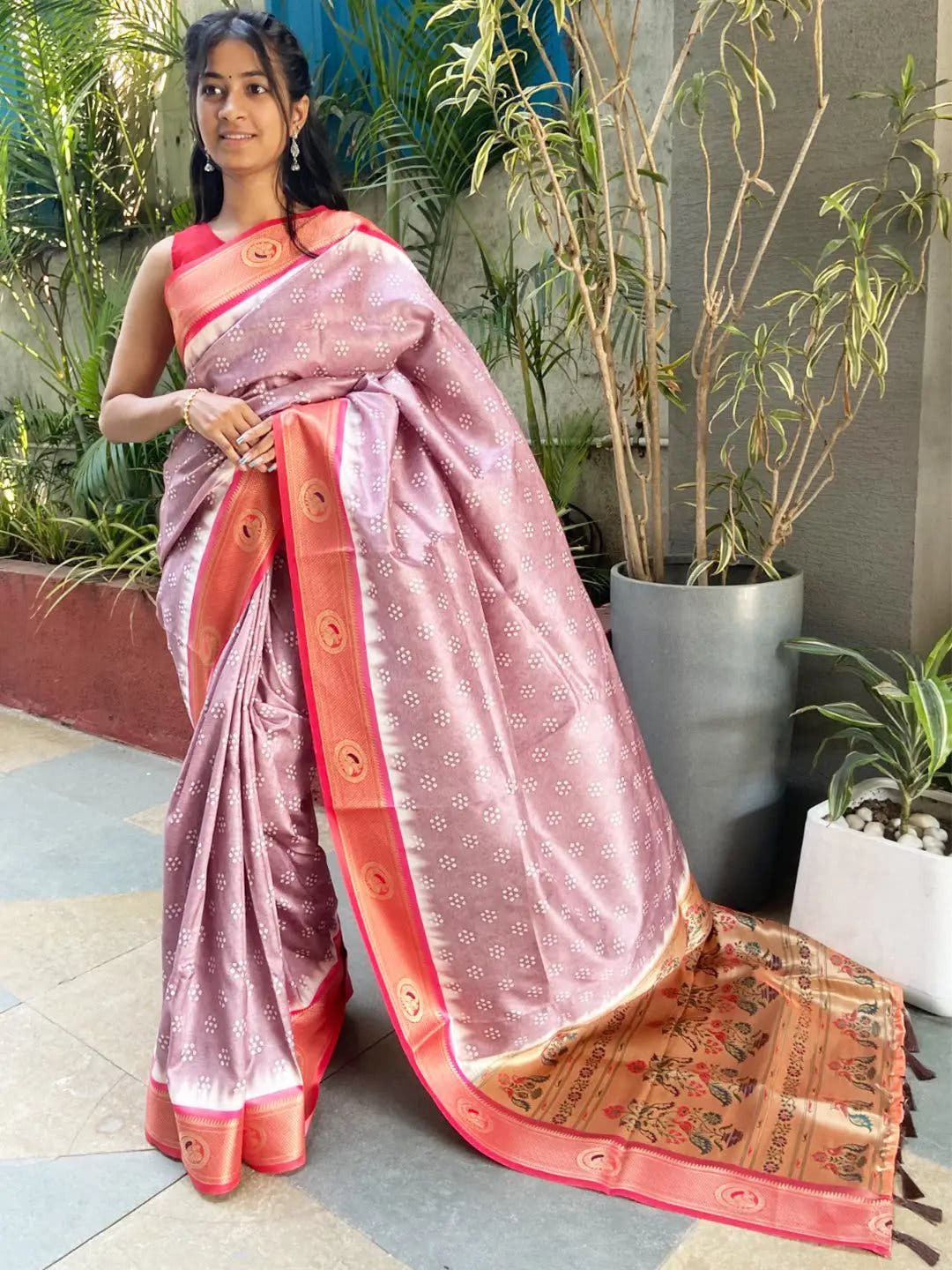
- Pattu Saree (South India): Experience the effortless drape and cool comfort of a Pattu saree. A generic term for silk sarees in South India, Pattu sarees come in various regional styles with zari borders and geometric designs, perfect for everyday wear and festive occasions.
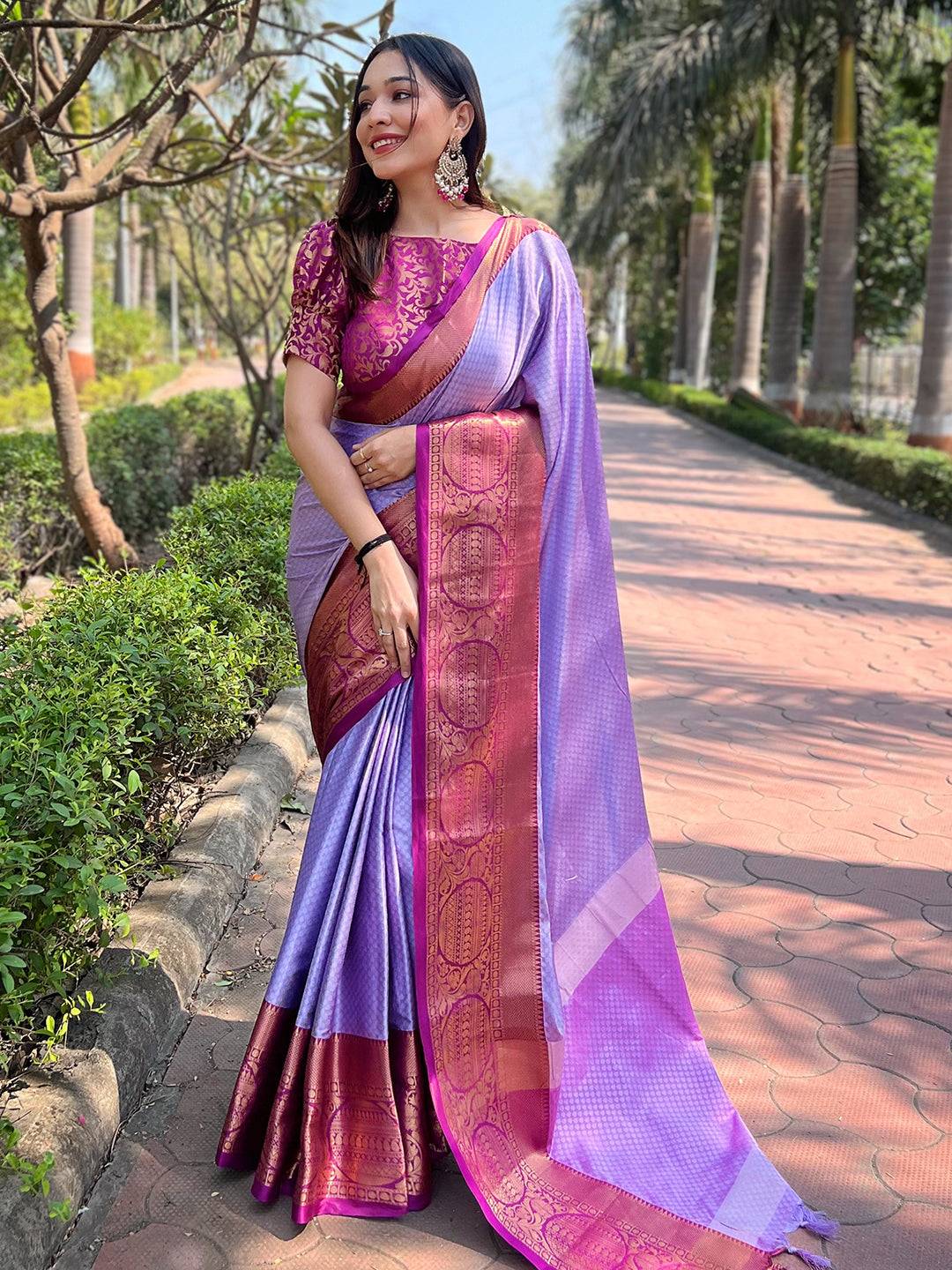
- Ikat Saree (Odisha & Andhra Pradesh): Admire the strength and simplicity of an Ikat saree. Made from cotton with a characteristically broad border, these sarees are known for their durability and drape beautifully. Ikat weaving techniques are particularly prominent in Odisha and Andhra Pradesh.
Beyond the Loom:
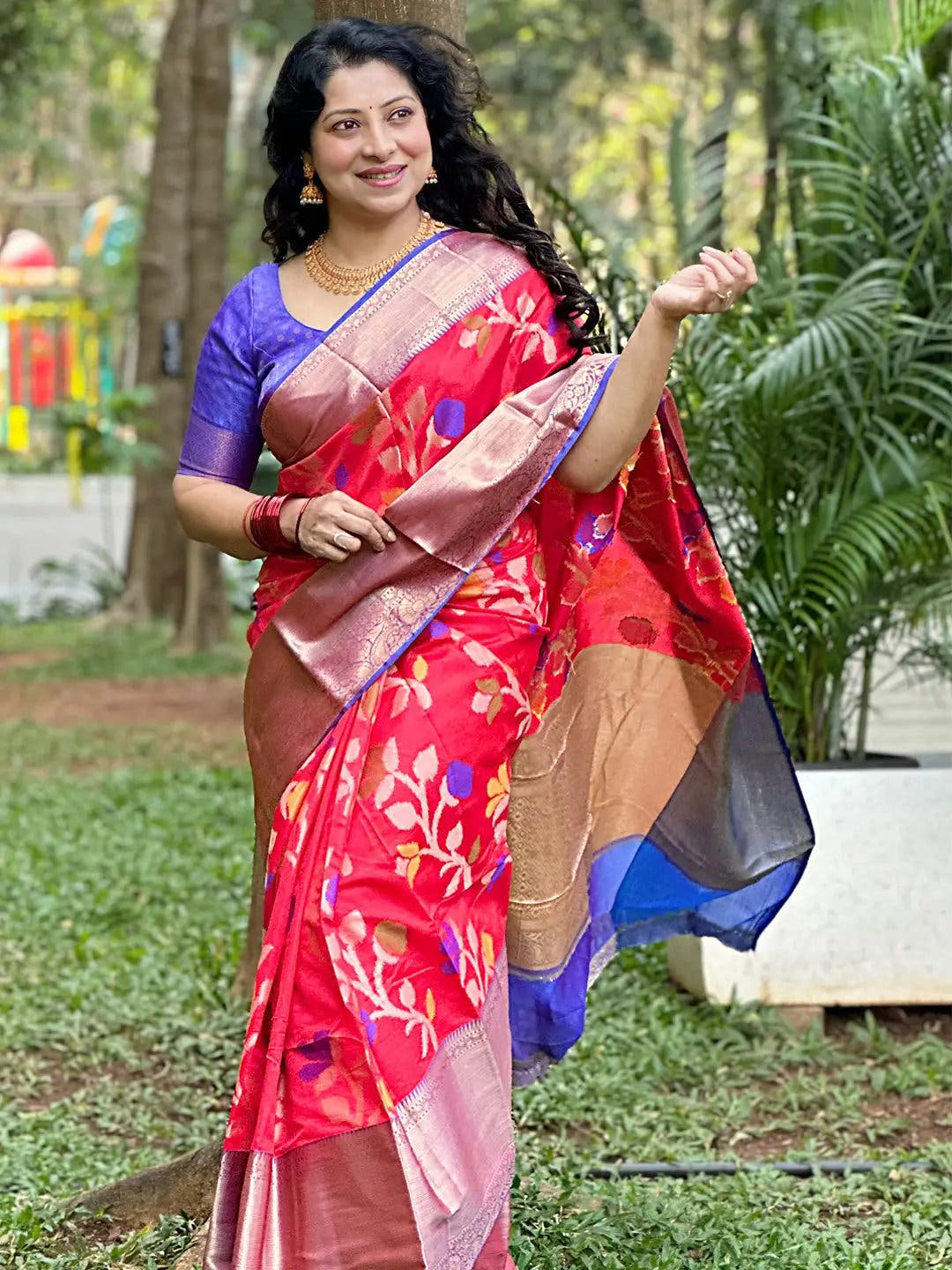
- Ajrakh Saree (Gujarat): Embrace the unique beauty of an Ajrakh saree. Hand-block printed with intricate designs using natural dyes in Gujarat, these sarees are a symbol of sustainability and cultural heritage.
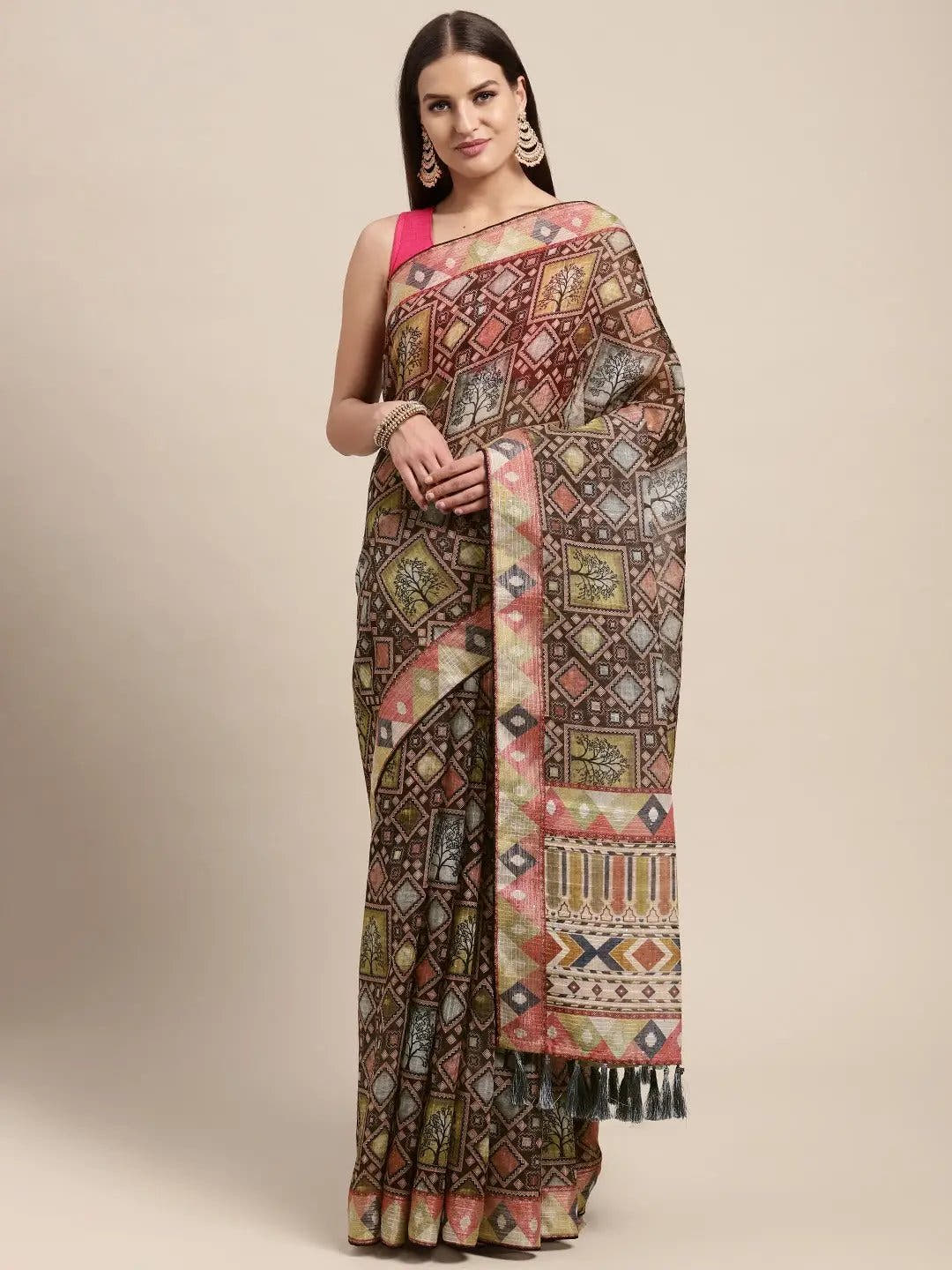
- Batik Saree (Gujarat & Rajasthan): Immerse yourself in the vibrant wax-resist dyeing technique of Batik sarees. Featuring bold patterns and vibrant colours, these sarees add a touch of drama to any outfit. Batik techniques are practised in both Gujarat and Rajasthan.
More Regional Weaves You'll Love
India's weaving traditions run deeper still. Here are three more regional treasures worth adding to your wardrobe.
- Chanderi Saree (Madhya Pradesh): You'll notice the sheer, lightweight texture first. Chanderi sarees are woven with fine silk and cotton threads in the small town of Chanderi, giving them a delicate shimmer that works equally well for daytime functions and evening get-togethers.

- Jamdani Saree (West Bengal): When you want a saree that feels as light as a breeze, reach for a Jamdani. Hand-woven on the loom with fine cotton or cotton-silk yarn, each motif is placed individually, which is why genuine Jamdani work is so prized across Bengal.

- Pochampally Saree (Telangana): You'll recognise a Pochampally saree by its distinctive diamond and geometric patterns, created using the traditional Ikkat tie-and-dye method before weaving. It's a wonderful pick when you want something graphic and contemporary, yet rooted in heritage.

How to Choose Your Next Saree
With so many weaves to choose from, start by thinking about where you'll wear it most. If you want something for weddings and grand occasions, lean toward Kanjivaram or Banarasi silk. If you're after everyday elegance with a lighter feel, Chanderi, Jamdani, or a soft cotton Bandhani will serve you better through long days.
It also helps to think regionally: many women build a wardrobe that reflects both their own heritage and the weaves they've simply fallen in love with while travelling or gifting. There's no wrong way to mix traditions — only the one that feels most like you.
Caring for Different Saree Fabrics
Each weave asks for slightly different care, and knowing this will help your sarees last for years, not just a season.
- Silk sarees like Kanjivaram and Banarasi should always be dry cleaned and stored folded in muslin cloth, away from direct light.
- Cotton sarees such as Jamdani and Bandhani can usually be hand washed in cold water, but always check the care label first.
- Delicate hand-block prints like Ajrakh and Batik fade faster in direct sunlight, so dry them in shade and store them flat when possible.
- Refold all your silk sarees along new lines every few months to prevent permanent crease lines from forming.
A little extra care goes a long way in keeping the colours and zari work looking as rich as the day you brought them home.
Vastranand: Your Gateway to Saree Diversity
This is just a glimpse into the vast and vibrant world of Indian sarees. At Vastranand, we celebrate this diversity by offering a carefully curated collection of sarees from across the country. Whether you seek the grandeur of silk or the comfort of cotton, you'll find a saree to weave its magic into your wardrobe.
Explore our collections online or visit our stores to discover the perfect saree for every occasion. Let Vastranand be your partner in celebrating the rich tapestry of Indian sarees!
Frequently Asked Questions
1. Which saree is best for a first-time silk saree buyer?
A Kanjivaram or a soft silk Pattu saree is a great starting point — both are versatile enough for weddings and festive occasions while being easy to style.
2. What is the difference between Ikat and Pochampally sarees?
Pochampally is a specific style of Ikat weaving from Telangana known for its diamond-shaped geometric patterns, while Ikat more broadly refers to the tie-and-dye weaving technique used across Odisha and Andhra Pradesh too.
3. Are cotton sarees like Jamdani and Bandhani suitable for daily wear?
Yes, their lightweight fabric makes them comfortable for long hours, making them a popular choice for office wear and everyday elegance.
4. How do I know if a saree is handwoven?
Handwoven sarees often show small variations in the weave and motifs, since each one is created individually rather than mass-produced. At Vastranand, our product descriptions mention the weaving technique used for each saree.
5. Can I mix regional sarees from different states in one wardrobe?
Absolutely. Many women build wardrobes that blend Kanjivaram, Banarasi, Chanderi, and Jamdani sarees, choosing each one for the occasion rather than sticking to a single region.
Shop sarees from this story
Pink Bandhej Printed Dola Silk Saree
₹ 750
Multi Satin Georgette Saree
₹ 1,050
Cream Colour Double Border Chex Weaving Banarasi Soft Silk Saree
₹ 999
White Soft Silk Pashmina Kashmiri Print Saree
₹ 999
Sky Blue Satin Georgette Saree
₹ 1,050
Peach Ombre Chinnon Chiffon Floral Print Saree with Pink Pallu
₹ 750
Soft Silk Pashmina Kashmiri Print Saree
₹ 999
Sky Blue Pochampally Patola Soft Silk Saree
₹ 1,050 Classic Floral Print Chiffon Saree
₹ 1,050
 Cream Soft Silk Kanjivaram Saree
₹ 1,450
Watch these sarees in motion
Loved this story? The sarees behind it are waiting for you — handcrafted, factory-direct, delivered across India.
Shop best sellers ← Back to The Vastranand Journal