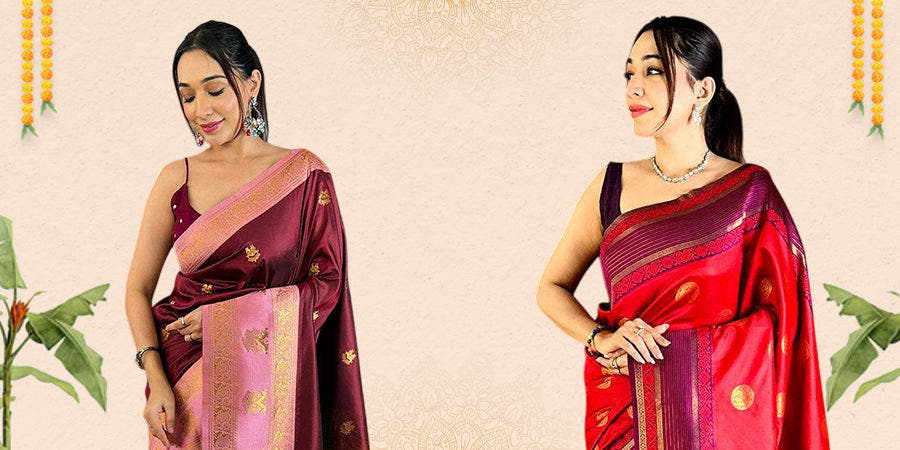
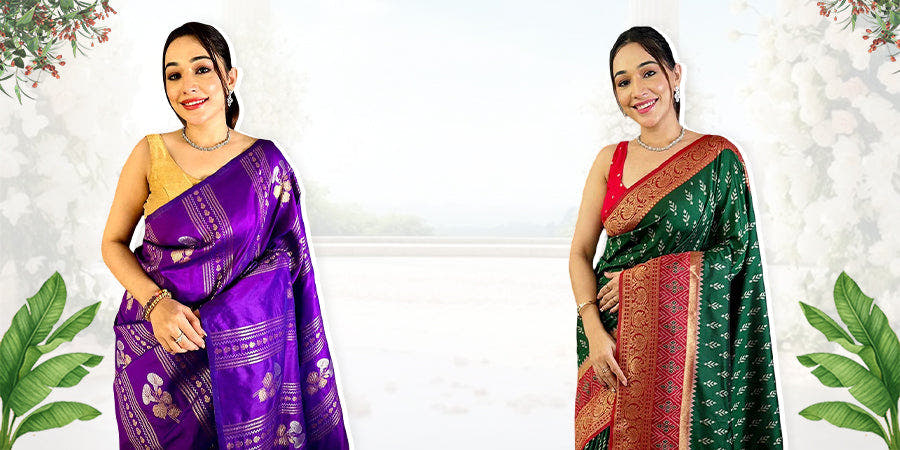
How Sarees Connect Generations in Indian Families
In India, a saree is much more than a piece of clothing. It is a symbol of tradition, heritage, memories, and family bonds that transcend generations. While fashion trends come and go, the saree remains an enduring part of Indian culture, carrying stories from one generation to the next.
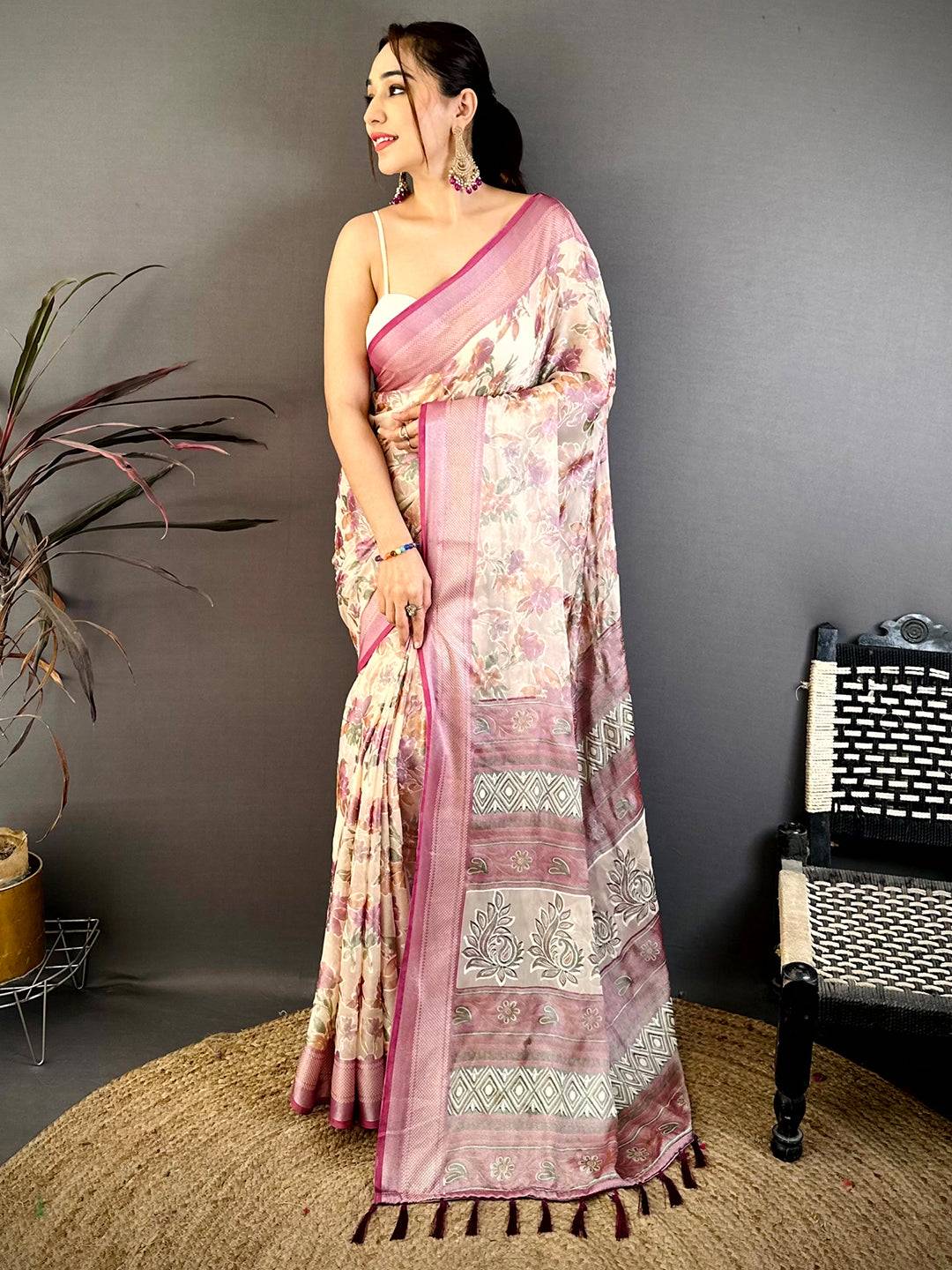
From grandmothers passing down treasured silk sarees to mothers teaching their daughters how to drape one for the first time, sarees play a unique role in preserving family traditions. Every fold, border, and weave often holds memories of weddings, festivals, milestones, and cherished moments.
At Vastranand, we celebrate the timeless beauty of sarees and the emotional connections they create within Indian families.
The Saree: A Living Legacy
Unlike many modern fashion garments, sarees often remain part of a family's history for decades. A beautifully crafted Banarasi, Kanjivaram, Paithani, or silk saree is frequently preserved and passed on to future generations.
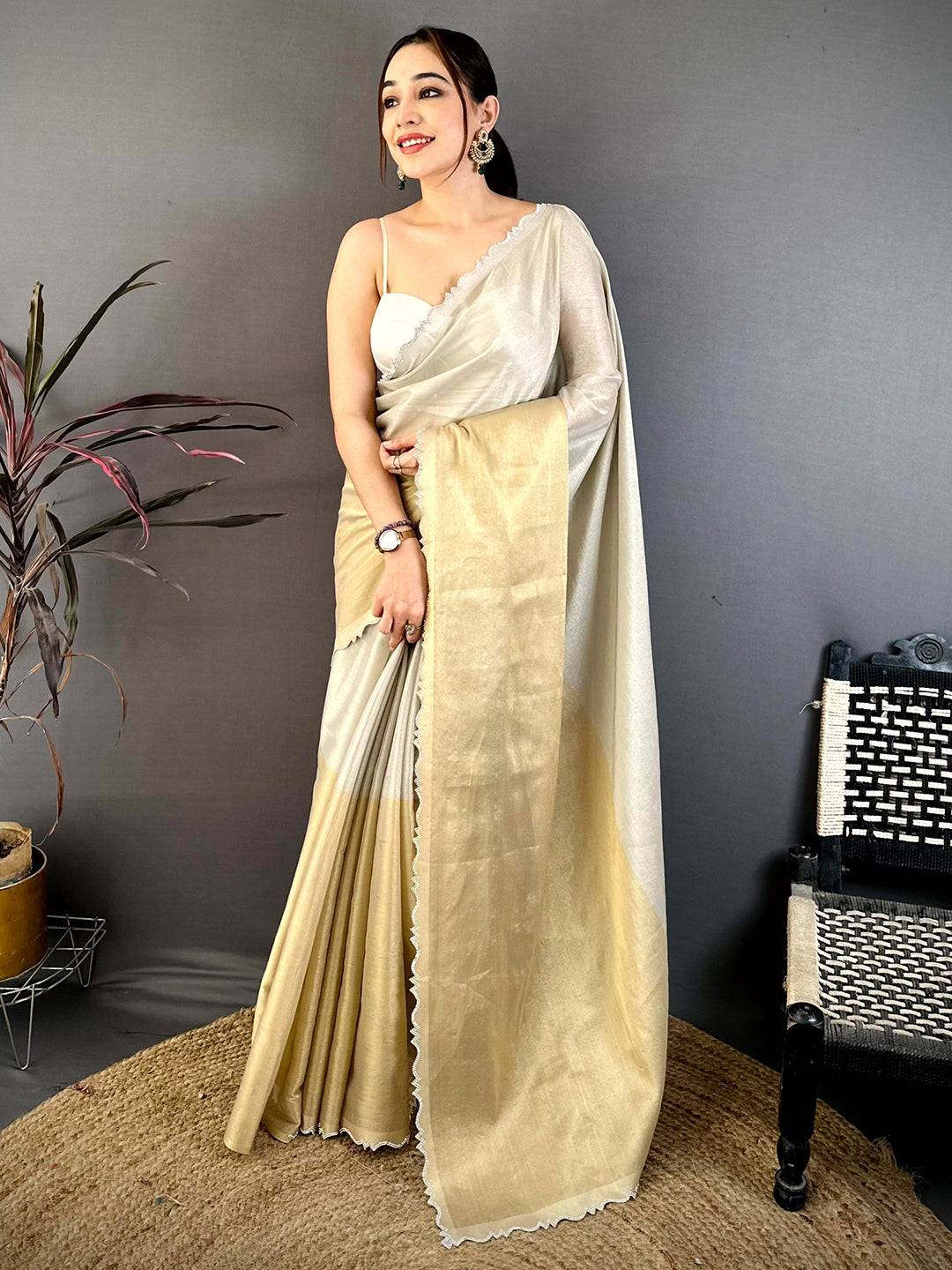
Many women treasure sarees inherited from their mothers or grandmothers because they represent family values, traditions, and personal stories. These heirloom sarees become living memories that continue to hold significance long after they were first worn.
Memories Woven Into Every Thread
Every saree has a story. It may have been worn during a wedding ceremony, a religious celebration, a child's birthday, or another unforgettable family event.
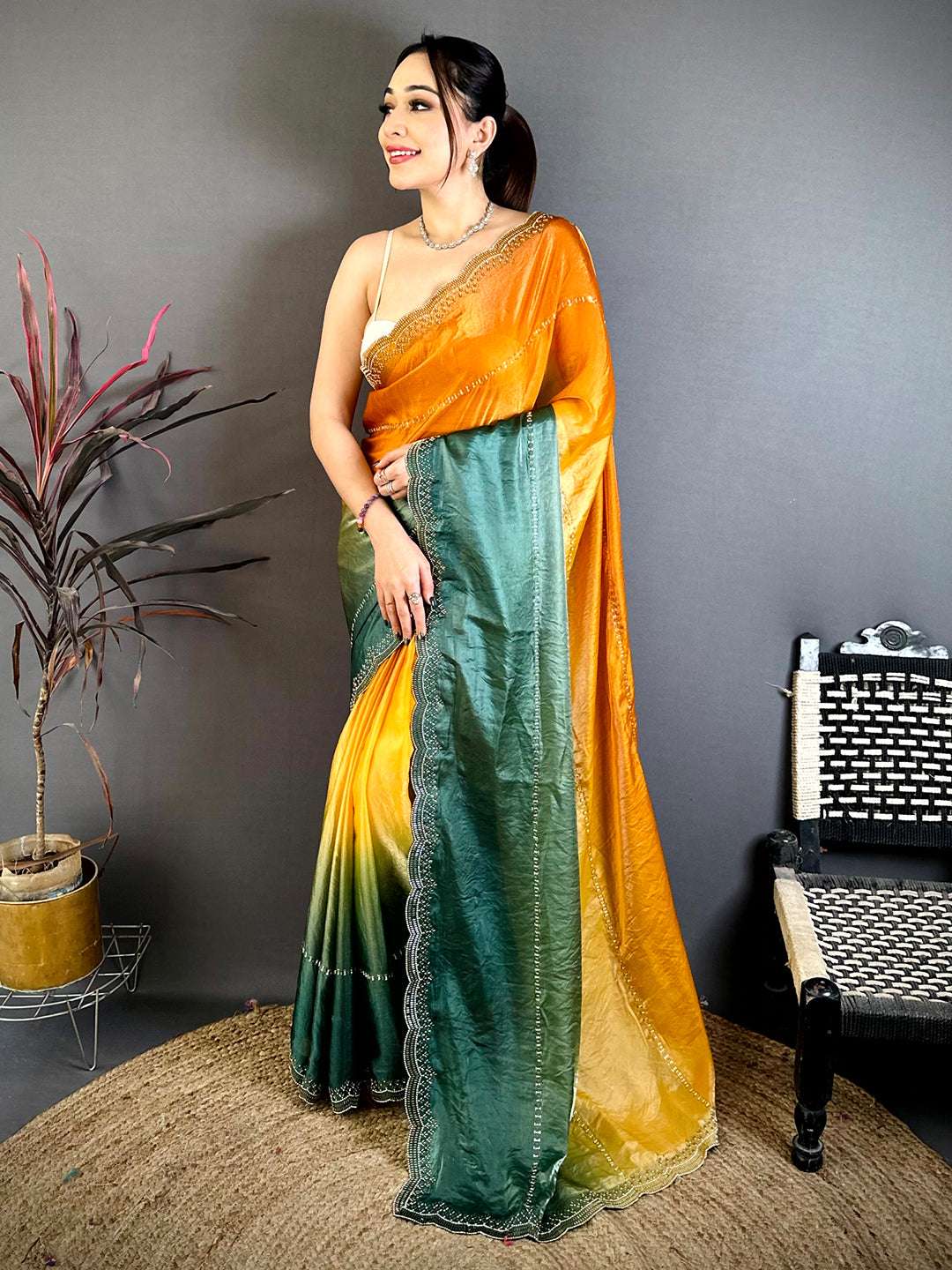
Years later, simply seeing that saree can bring back memories of laughter, celebrations, and loved ones. Unlike many other garments, sarees often become emotional keepsakes that remind families of their shared history.
For many Indian women, opening a wardrobe filled with carefully preserved sarees is like flipping through a family photo album.
Passing Traditions from Mothers to Daughters
One of the most beautiful traditions in Indian families is the passing down of sarees from mothers to daughters. Whether gifted during weddings, festivals, or special milestones, these sarees often carry sentimental value far beyond their material worth.
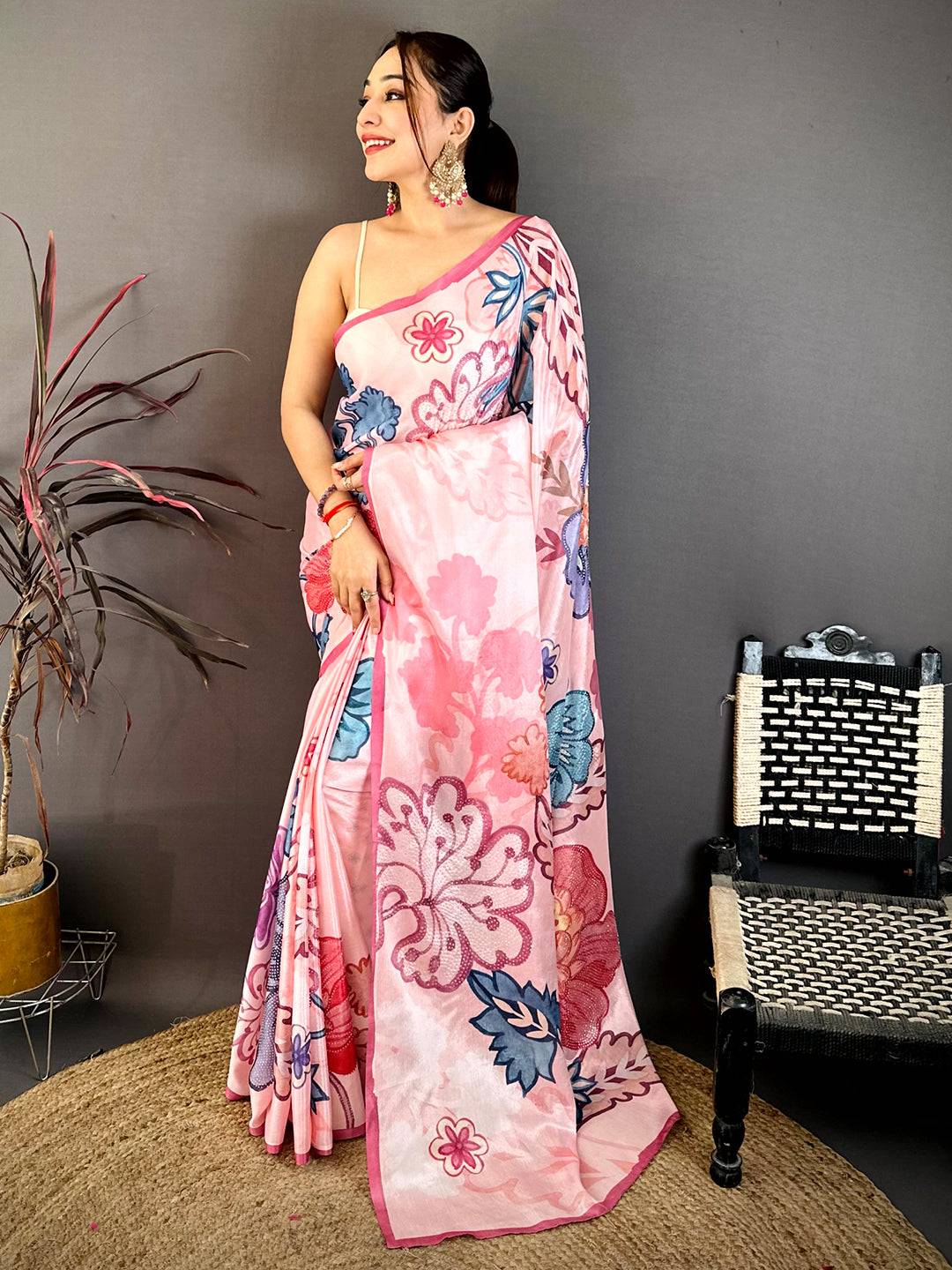
Many daughters wear their mother's wedding saree or a cherished family saree during important occasions, creating a meaningful connection between generations.
This tradition helps preserve family heritage while allowing younger generations to appreciate the craftsmanship and cultural significance of Indian textiles.
The First Saree Experience
For many Indian girls, wearing a saree for the first time is a memorable milestone. Mothers, grandmothers, and aunts often help with draping, styling, and accessorizing, turning the experience into a cherished family moment.
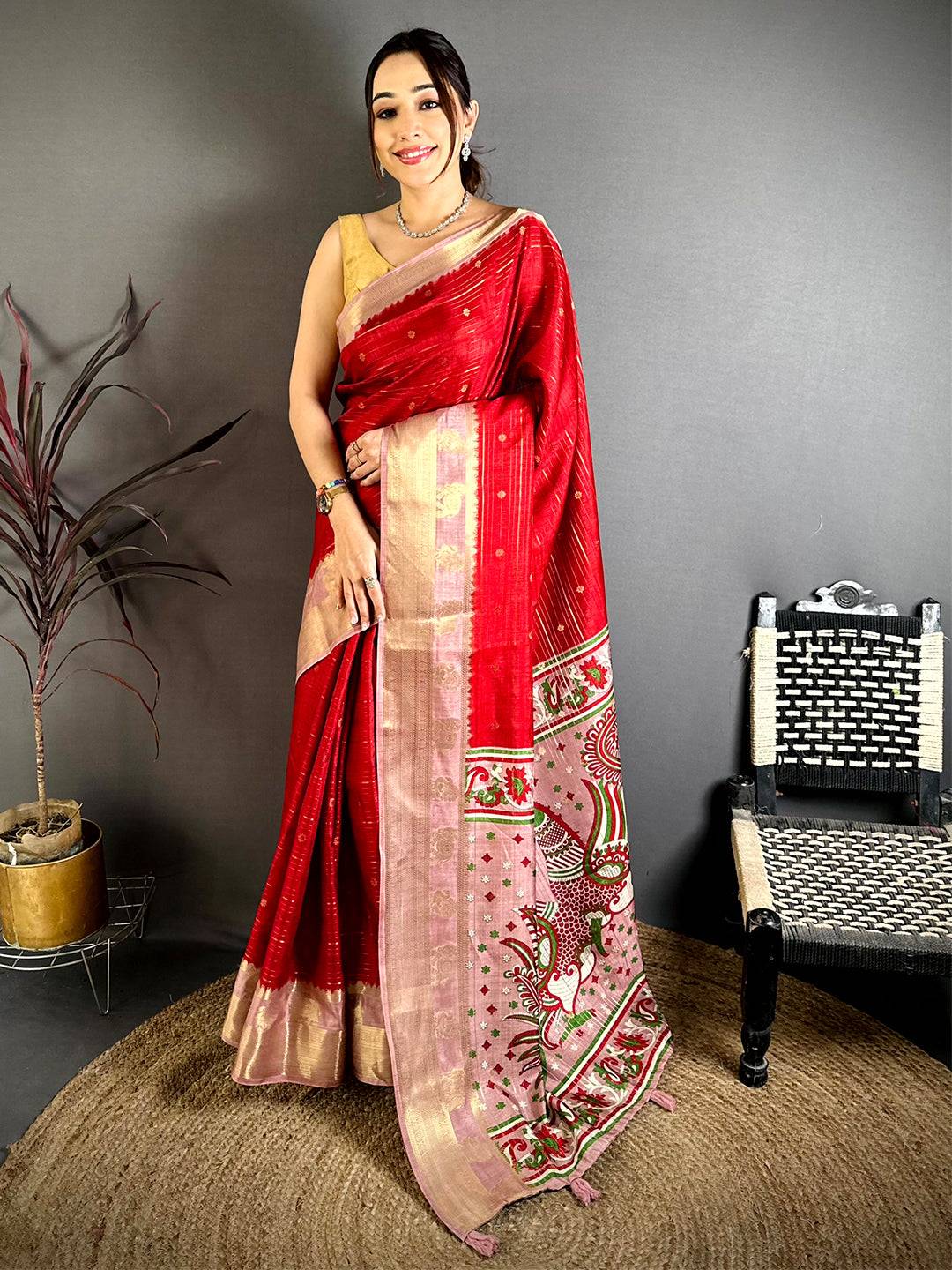
These shared experiences strengthen family bonds and ensure that traditional customs continue to thrive in modern times.
Sarees and Family Celebrations
Indian festivals and family gatherings often showcase the deep connection between sarees and tradition. During occasions such as Diwali, Durga Puja, Navratri, Pongal, Onam, Karva Chauth, and weddings, family members frequently wear sarees that reflect their cultural roots.
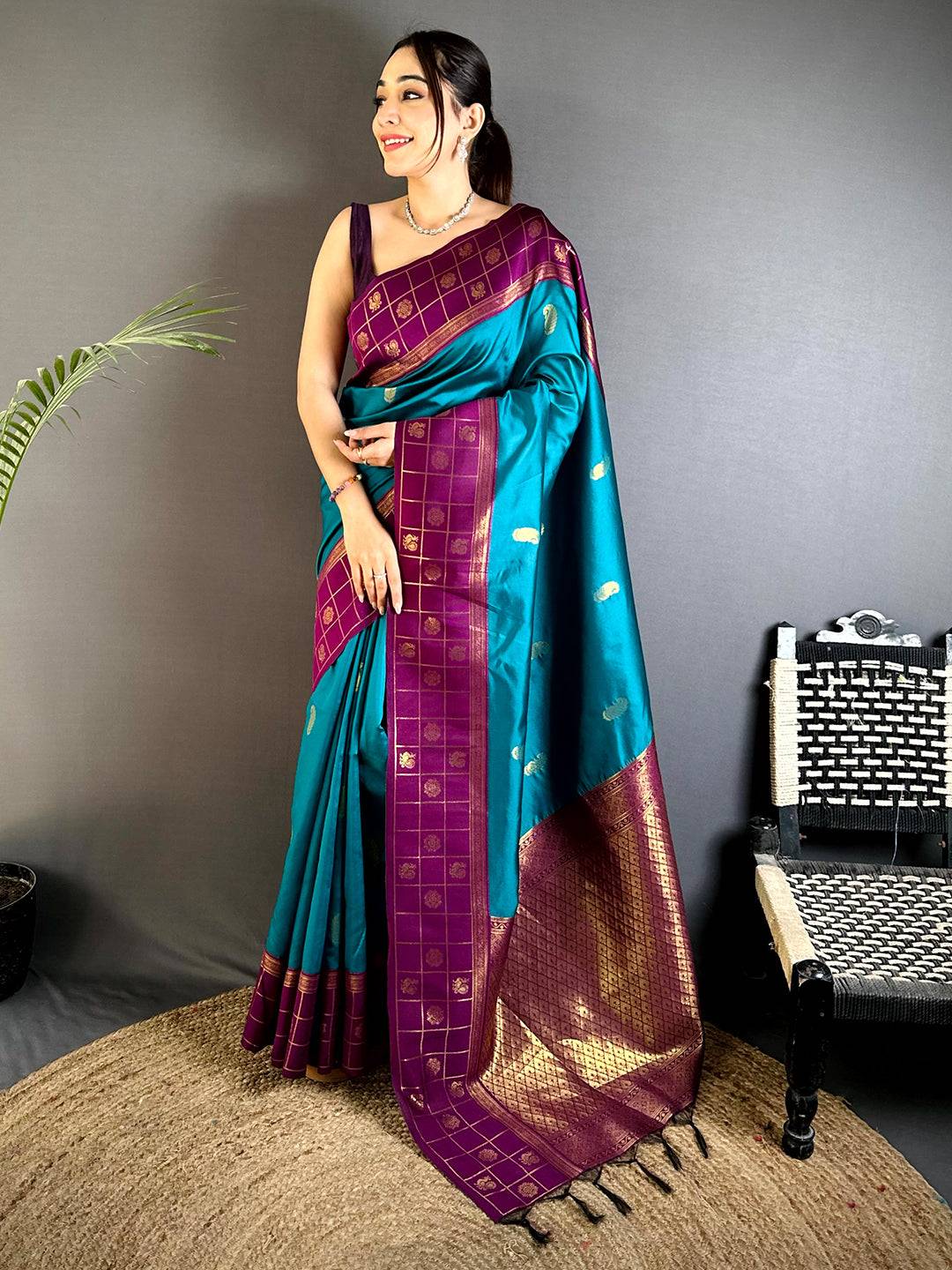
It is common to see multiple generations of women wearing sarees together, each expressing her unique style while honoring shared traditions.
Preserving India's Rich Textile Heritage
India is home to some of the world's most celebrated weaving traditions. From Banarasi and Kanjivaram sarees to Chanderi, Patola, and Maheshwari weaves, sarees help preserve centuries-old craftsmanship.
When families pass sarees down through generations, they are also preserving the artistry and cultural heritage of skilled Indian weavers.
This practice ensures that traditional weaving techniques continue to be appreciated and valued in a rapidly changing world.
Modern Women Embracing Family Traditions
Today's women are finding creative ways to incorporate family heirloom sarees into contemporary fashion. Many choose to restyle vintage sarees with modern blouses, designer accessories, and innovative draping styles.
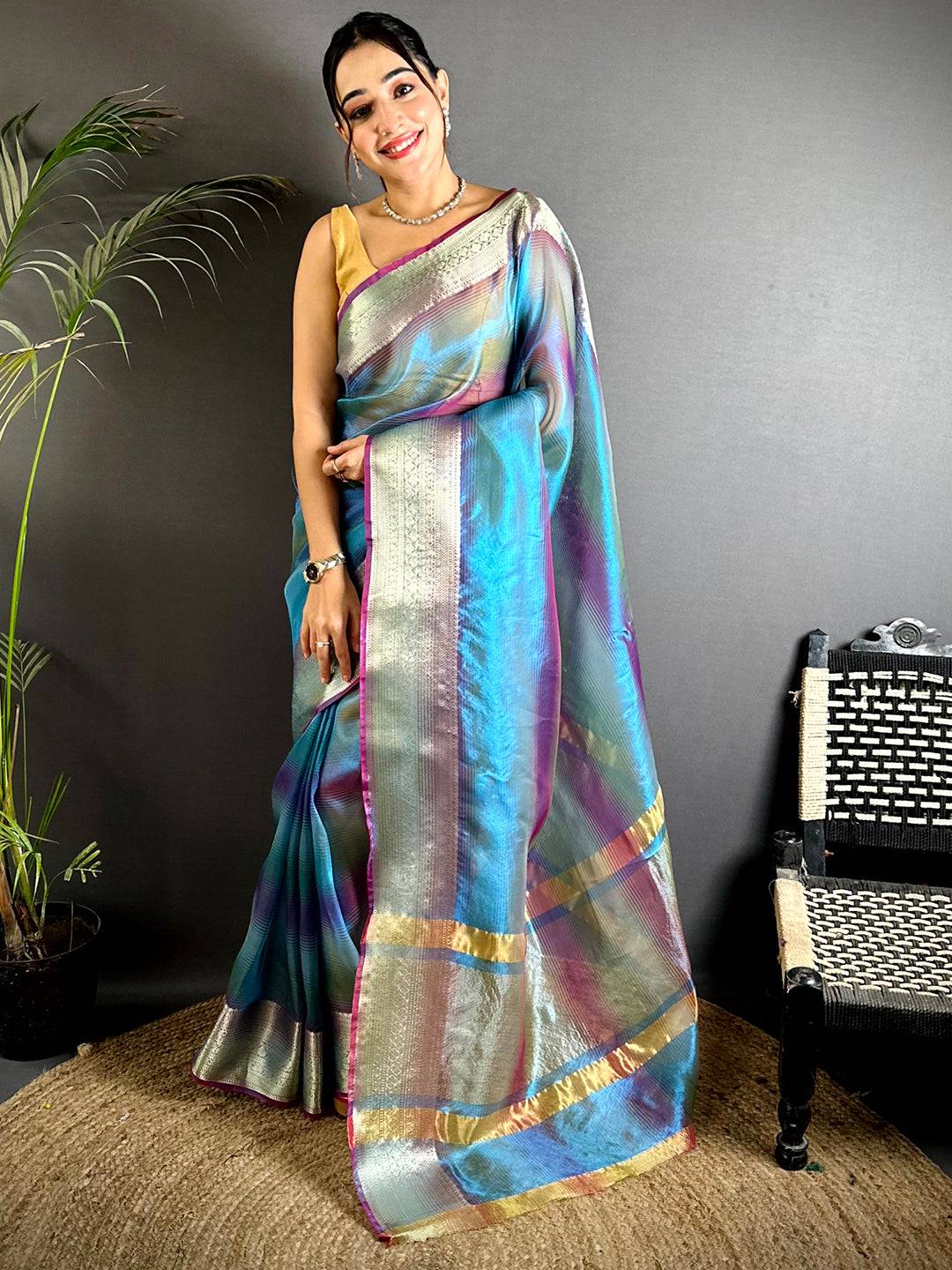
This blend of tradition and modernity allows younger generations to honor their heritage while expressing their individuality.
As a result, sarees continue to remain relevant and cherished across all age groups.
Why Sarees Remain Timeless
The enduring appeal of sarees lies in their ability to adapt across generations. While colors, fabrics, and styling trends evolve, the emotional value of a saree remains unchanged.
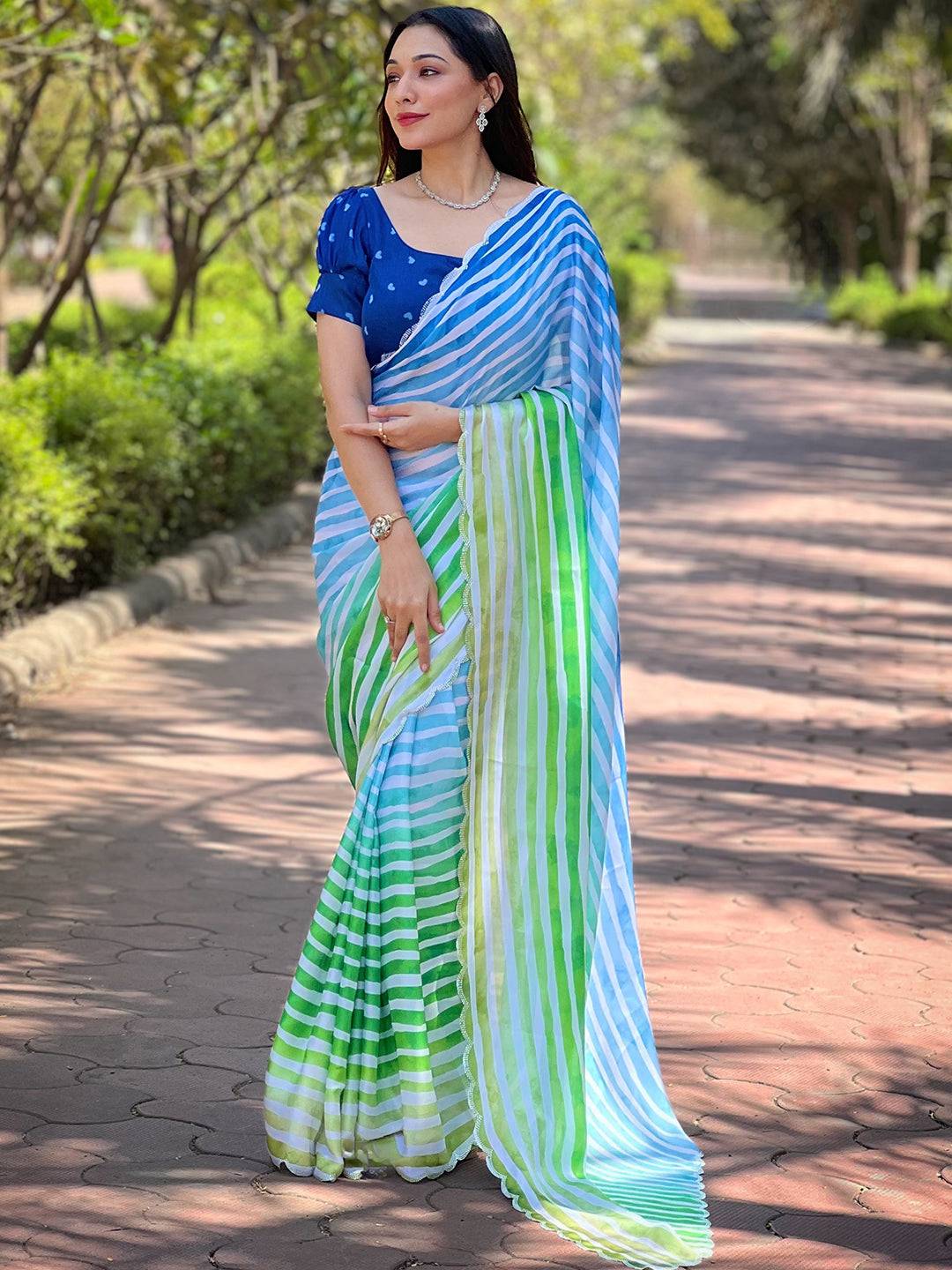
A saree can represent love, blessings, family history, and cultural identity all at once. This unique emotional connection is what makes sarees timeless in Indian families.
Conclusion
Sarees are more than elegant garments—they are carriers of memories, traditions, and family stories. They connect grandmothers, mothers, daughters, and future generations through shared experiences and cultural heritage.
Whether passed down as treasured heirlooms or gifted during life's special moments, sarees continue to strengthen family bonds and celebrate India's rich traditions.
At Vastranand, we believe every saree tells a story. Explore our carefully curated saree collections and create memories that can be cherished for generations to come.
Frequently Asked Questions
Why are sarees important in Indian families?
Sarees are important because they represent tradition, culture, family heritage, and emotional connections that are often passed down through generations.
Why do mothers pass sarees to their daughters?
Mothers often pass sarees to their daughters as a symbol of love, blessings, family history, and cultural continuity.
Can heirloom sarees be worn in modern fashion?
Yes, many women style heirloom sarees with modern blouses, accessories, and draping techniques while preserving their sentimental value.
Which sarees are commonly passed down through generations?
Banarasi, Kanjivaram, Paithani, Patola, and other handcrafted silk sarees are commonly preserved and passed down as family heirlooms.
How do sarees help preserve Indian culture?
Sarees preserve Indian culture by maintaining traditional weaving techniques, regional craftsmanship, family traditions, and cultural practices across generations.
```
Shop sarees from this story
 Pink Bandhej Printed Dola Silk Saree
₹ 750
Pink Bandhej Printed Dola Silk Saree
₹ 750
 Multi Satin Georgette Saree
₹ 1,050
Multi Satin Georgette Saree
₹ 1,050 Cream Colour Double Border Chex Weaving Banarasi Soft Silk Saree
₹ 999
Cream Colour Double Border Chex Weaving Banarasi Soft Silk Saree
₹ 999 White Soft Silk Pashmina Kashmiri Print Saree
₹ 999
White Soft Silk Pashmina Kashmiri Print Saree
₹ 999 Sky Blue Satin Georgette Saree
₹ 1,050
Sky Blue Satin Georgette Saree
₹ 1,050 Vibrant Soft Chinnon Chiffon Floral Saree
₹ 750
Vibrant Soft Chinnon Chiffon Floral Saree
₹ 750 Soft Silk Pashmina Kashmiri Print Saree
₹ 999
Soft Silk Pashmina Kashmiri Print Saree
₹ 999 Sky Blue Pochampally Patola Soft Silk Saree
₹ 1,050
Sky Blue Pochampally Patola Soft Silk Saree
₹ 1,050 Classic Floral Print Chiffon Saree
₹ 1,050
Classic Floral Print Chiffon Saree
₹ 1,050
 Cream Soft Silk Kanjivaram Saree
₹ 1,450
Cream Soft Silk Kanjivaram Saree
₹ 1,450Watch these sarees in motion
Loved this story? The sarees behind it are waiting for you — handcrafted, factory-direct, delivered across India.
Shop best sellers ← Back to The Vastranand Journal