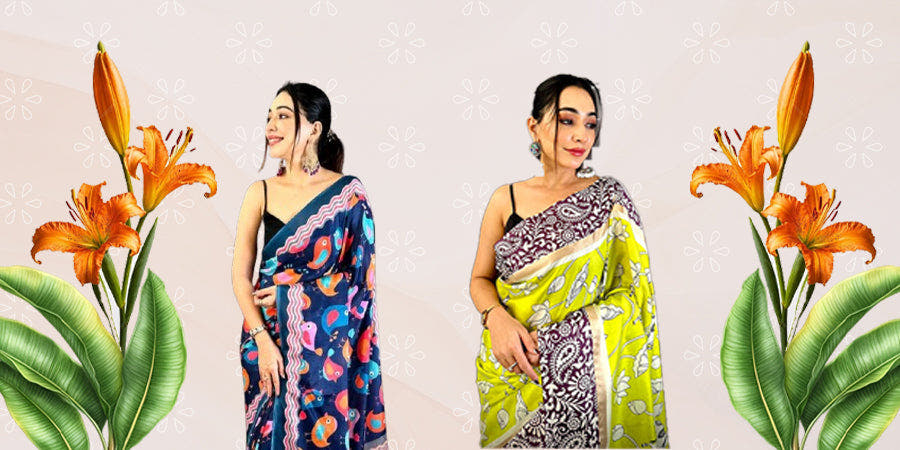
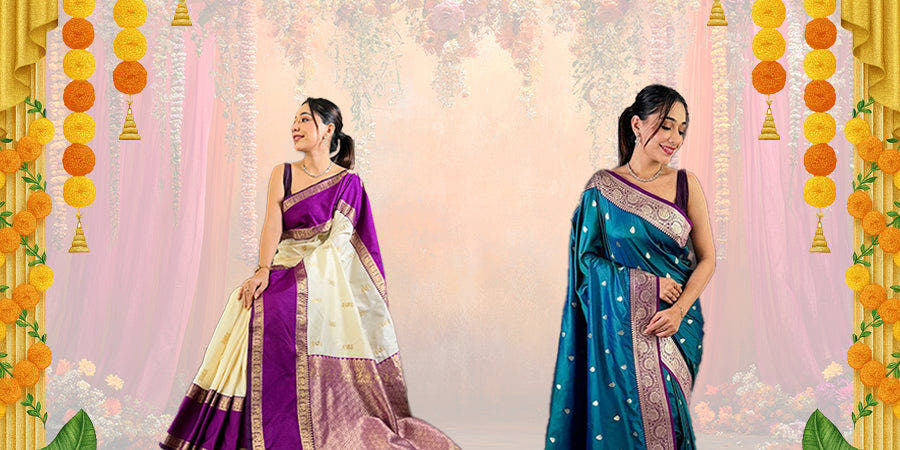
Shop Pattu Sarees
 Kanjivaram Gajari Colour Ethnic Motifs Silk Saree
₹ 1,250
Kanjivaram Gajari Colour Ethnic Motifs Silk Saree
₹ 1,250 Navy Kanjivaram Tissue Saree With Gold Zari Weaving
₹ 1,250
Navy Kanjivaram Tissue Saree With Gold Zari Weaving
₹ 1,250 Kanjivaram Rama Colour Silk Blend Woven Design Saree
₹ 1,695
Kanjivaram Rama Colour Silk Blend Woven Design Saree
₹ 1,695 Rust Red Kanjivaram Tissue Saree With Gold Zari Weaving
₹ 1,250
Rust Red Kanjivaram Tissue Saree With Gold Zari Weaving
₹ 1,250 Medium Bronze Kanjivaram Tissue Saree With Gold Zari Weaving
₹ 1,250
Medium Bronze Kanjivaram Tissue Saree With Gold Zari Weaving
₹ 1,250 Kanjivaram Silk Yellow Colour Geometric Print Saree
₹ 1,595
Kanjivaram Silk Yellow Colour Geometric Print Saree
₹ 1,595 Pastel Peach Kanjivaram Tissue Saree With Gold Zari Weaving
₹ 1,250
Pastel Peach Kanjivaram Tissue Saree With Gold Zari Weaving
₹ 1,250 Pink Colour Kalamkari Print Kanjivaram Zari Silk Saree
₹ 1,845
Pink Colour Kalamkari Print Kanjivaram Zari Silk Saree
₹ 1,845

How to Care for Your Pattu and Pichwai Sarees
Pattu and Pichwai sarees are not just garments — they are heirlooms woven with love, artistry, and centuries of tradition. Their delicate silk fibers and intricate zari or hand-painted motifs require thoughtful care to retain their beauty and value. At Vastranand, we believe every saree tells a story worth preserving. Here’s your complete guide to maintaining the luxurious charm of your cherished sarees.
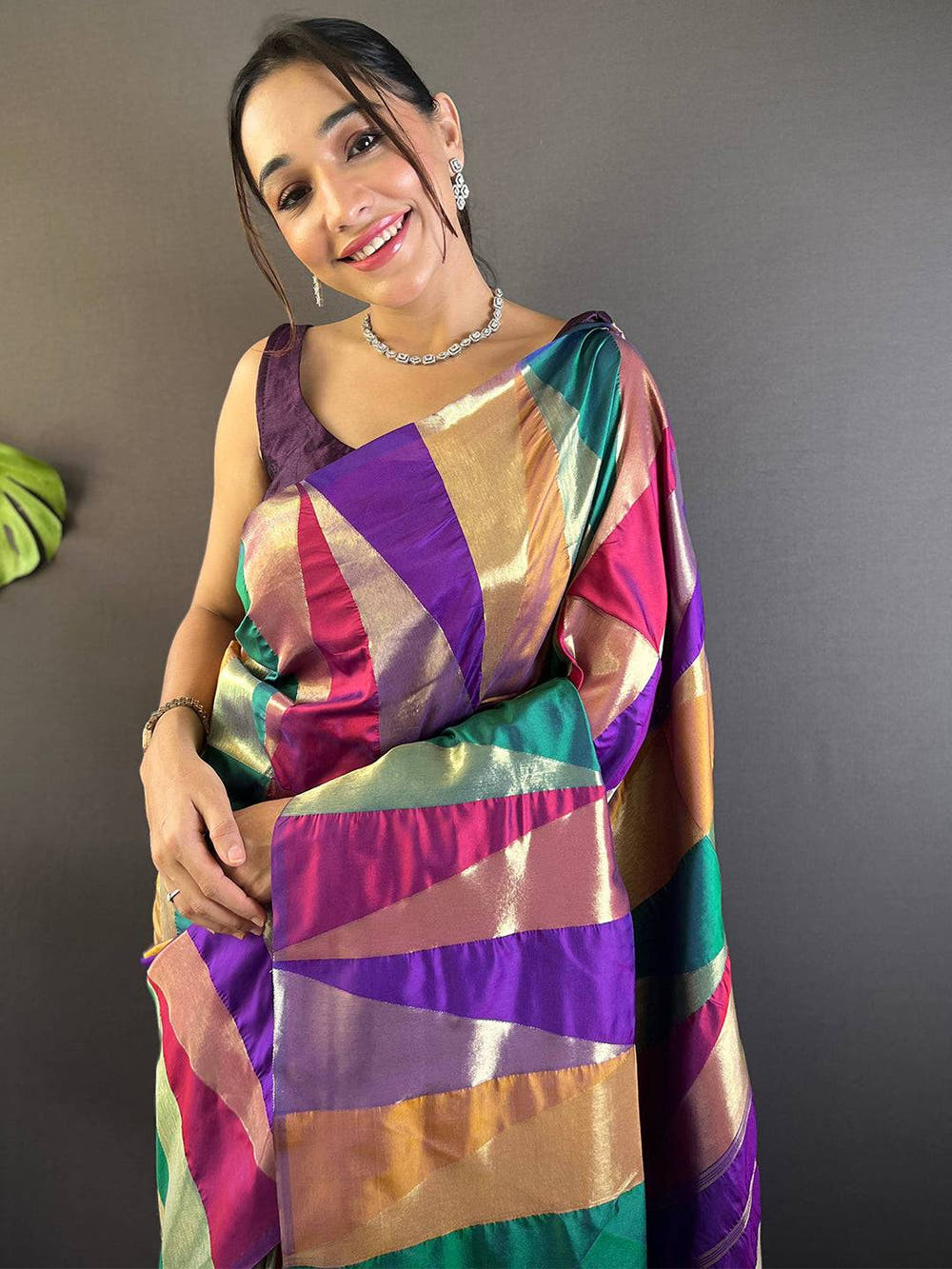
Understanding the Beauty of Pattu & Pichwai Sarees
Pattu Sarees, known for their rich silk texture and lustrous finish, are often adorned with zari borders and intricate patterns that represent South India’s weaving legacy. Meanwhile, Pichwai Sarees are inspired by traditional Pichwai paintings from Rajasthan, featuring hand-painted or printed depictions of Lord Krishna and divine motifs — turning each saree into a wearable artwork.
Both these saree types are exquisite yet delicate, making proper maintenance essential to preserve their original grace and durability.
Step 1: Cleaning with Care
Always dry-clean your Pattu and Pichwai sarees instead of washing them at home. Silk threads and natural dyes used in these sarees are sensitive to harsh detergents and direct sunlight.
Expert Tips:
- Never use machine wash — it may damage the zari and fabric weave.
- If handwashing is necessary, use mild silk-safe detergent in cold water.
- Do not wring or twist the saree; gently press out water using a towel.
Regular dry-cleaning once or twice a year helps retain the saree’s color, shine, and texture.
Step 2: Drying the Right Way
After washing or dry-cleaning, air-dry the saree in a shaded area. Direct exposure to sunlight can fade the color and weaken silk fibers.
Pro Tip:
Turn the saree inside out and dry it on a flat surface using a clean, dry cotton sheet. Avoid hanging silk sarees for long durations as it may stretch the fabric and cause creases along the zari borders.
Step 3: Ironing and Folding
Iron your sarees carefully at low heat, preferably with a protective cotton cloth on top. For zari-bordered sarees, iron only on the reverse side to prevent the metallic threads from dulling or fraying.
How to Fold Correctly:
- Refold your saree every 3–6 months to avoid permanent creases.
- Place soft tissue paper between folds to protect zari or hand-painted sections.
- Avoid using naphthalene balls directly; instead, use muslin sachets with dried neem leaves or cloves to repel insects.
Step 4: Storing for Longevity
Proper storage ensures your sarees stay fresh and elegant for generations. Always store Pattu and Pichwai sarees in a muslin or cotton saree bag to allow air circulation and prevent moisture buildup.
Storage Guidelines:
- Keep sarees in a cool, dry place — avoid plastic covers or metal boxes.
- Store them flat rather than hanging to avoid stretching the silk.
- Refold periodically and air them once every few months to prevent odor or mildew.
Explore our Pattu Sarees Collection and Pichwai Sarees Collection to experience timeless artistry you’ll want to treasure forever.
Additional Tips for Saree Lovers
- Handle your saree with clean, dry hands — avoid contact with perfume or deodorant directly on the fabric.
- When wearing jewelry, ensure it doesn’t snag the saree’s threads or embroidery.
- If a stain occurs, address it immediately with a gentle blot — never rub the affected area.
Why Proper Care Matters
Your saree is a piece of living tradition. Proper care ensures that its colors, weaves, and motifs continue to shine just as brilliantly as the day you bought it. By following these tips, you not only preserve its fabric integrity but also the emotions, artistry, and heritage it carries.
Discover our range of exquisite silk and handwoven sarees at Vastranand — where every drape is designed to tell your story with timeless beauty.
❓ Frequently Asked Questions
1. Can I wash Pattu sarees at home?
It’s best to dry-clean Pattu sarees. If needed, wash gently by hand in cold water using silk-safe detergent and dry in the shade.
2. How do I prevent silk sarees from losing shine?
Keep sarees folded in muslin cloth, avoid sunlight exposure, and iron on the reverse side at low heat to maintain their natural luster.
3. Can I store sarees in plastic covers?
No. Plastic traps moisture, leading to discoloration and fungal growth. Always use cotton or muslin bags instead.
4. How often should I refold silk sarees?
Refold every 3–6 months to avoid creases and maintain the zari’s structure and sheen.
Shop sarees from this story
Kanjivaram Gajari Colour Ethnic Motifs Silk Saree
₹ 1,250
Navy Kanjivaram Tissue Saree With Gold Zari Weaving
₹ 1,250
Kanjivaram Rama Colour Silk Blend Woven Design Saree
₹ 1,695
Rust Red Kanjivaram Tissue Saree With Gold Zari Weaving
₹ 1,250
Medium Bronze Kanjivaram Tissue Saree With Gold Zari Weaving
₹ 1,250
Kanjivaram Silk Yellow Colour Geometric Print Saree
₹ 1,595
Pastel Peach Kanjivaram Tissue Saree With Gold Zari Weaving
₹ 1,250
Pink Colour Kalamkari Print Kanjivaram Zari Silk Saree
₹ 1,845 Kanjivaram Burgundy Colour Silk Blend Woven Design Saree
₹ 1,695
Kanjivaram Burgundy Colour Silk Blend Woven Design Saree
₹ 1,695 Orange Colour Kalamkari Print Kanjivaram Zari Silk Saree
₹ 1,845
Orange Colour Kalamkari Print Kanjivaram Zari Silk Saree
₹ 1,845Watch these sarees in motion
Loved this story? The sarees behind it are waiting for you — handcrafted, factory-direct, delivered across India.
Shop best sellers ← Back to The Vastranand Journal