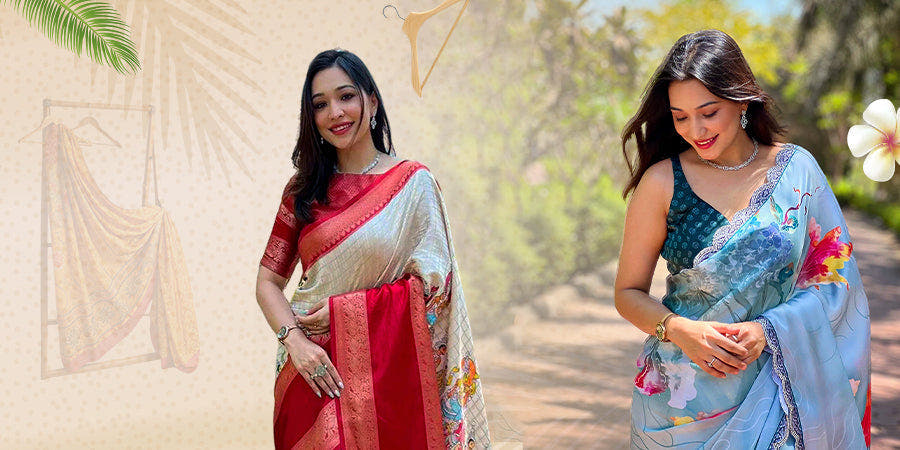
Shop Sarees
 Cream Colour Double Border Chex Weaving Banarasi Soft Silk Saree
₹ 999
Cream Colour Double Border Chex Weaving Banarasi Soft Silk Saree
₹ 999 Sky Blue Satin Georgette Saree
₹ 1,050
Sky Blue Satin Georgette Saree
₹ 1,050 Zarocan Stone Cut Work Border Saree
₹ 1,050
Zarocan Stone Cut Work Border Saree
₹ 1,050 Off White Ethnic Motif Silk Blend Saree
₹ 1,995
Off White Ethnic Motif Silk Blend Saree
₹ 1,995 White Soft Silk Pashmina Kashmiri Print Saree
₹ 999
White Soft Silk Pashmina Kashmiri Print Saree
₹ 999 Baby Pink Soft Silk Kanjivaram Saree
₹ 1,550
Baby Pink Soft Silk Kanjivaram Saree
₹ 1,550 Pink Bandhej Printed Dola Silk Saree
₹ 750
Pink Bandhej Printed Dola Silk Saree
₹ 750
 Pink Banarasi Silk Gadwal Pattu Saree
₹ 1,250
Pink Banarasi Silk Gadwal Pattu Saree
₹ 1,250

The Beauty of Kalamkari, Bandhani, and Banarasi Weaves Explained
India’s rich textile heritage is a tapestry of diverse weaving traditions, dyeing techniques, and hand-painted art forms. Among these, Kalamkari, Bandhani, and Banarasi weaves stand out as iconic styles that continue to captivate fashion lovers worldwide. At Vastranand, we celebrate these age-old crafts through thoughtfully curated sarees, lehengas, and dupattas that blend tradition with contemporary appeal.
Kalamkari: Where Storytelling Meets Fabric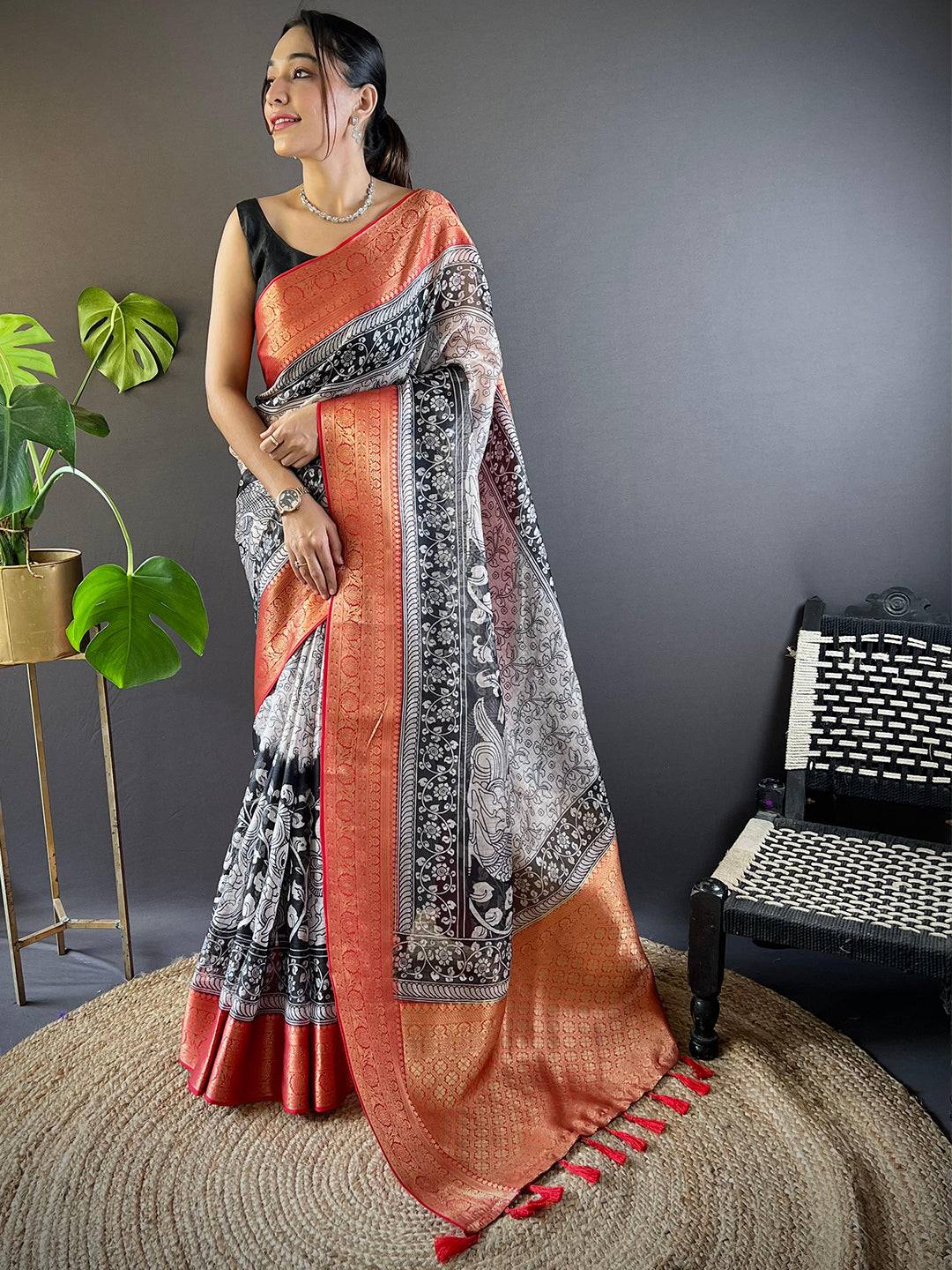
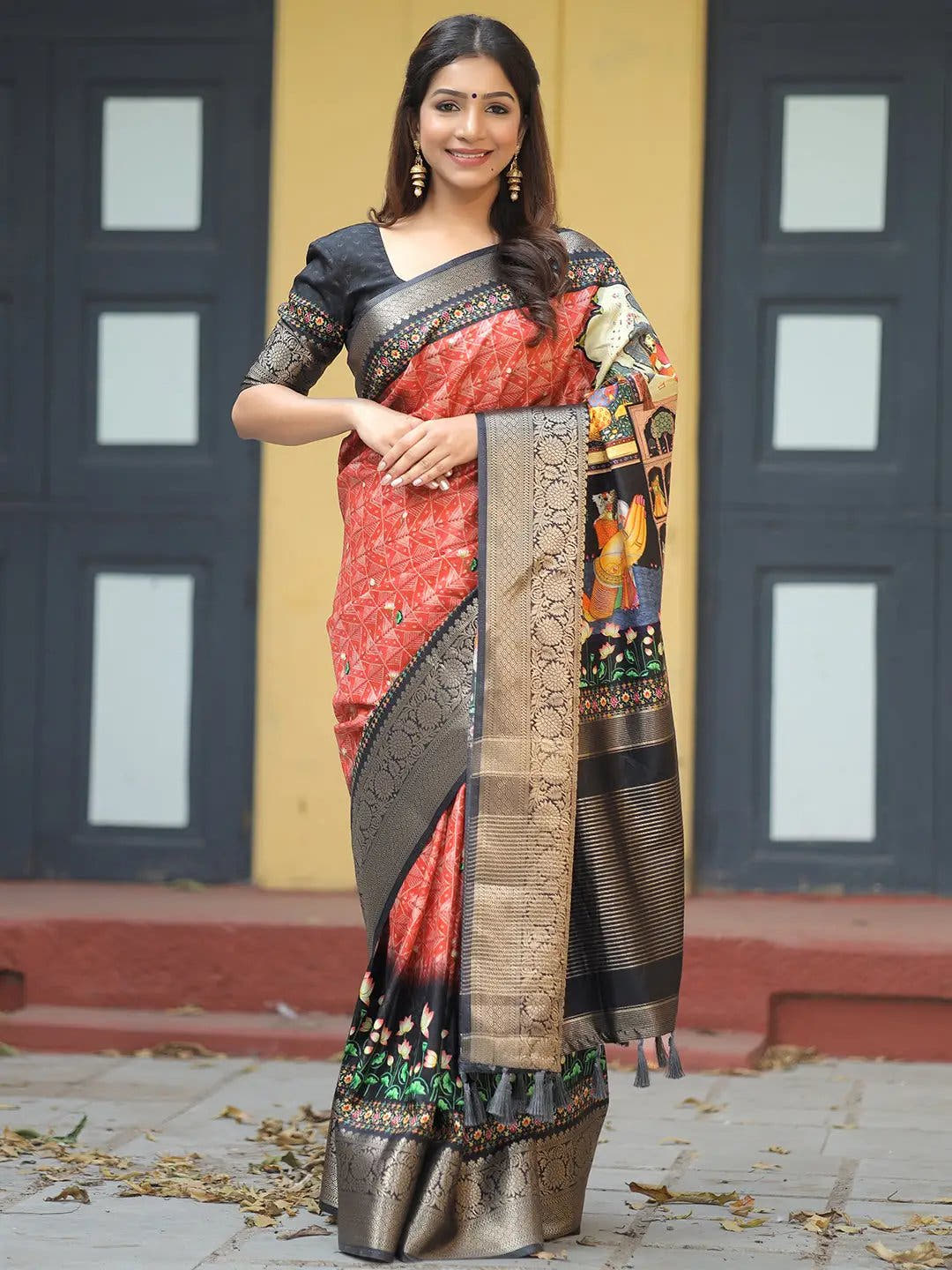
Kalamkari is an intricate hand-painted or block-printed textile art originating in Andhra Pradesh and Telangana. Derived from the Persian words ‘kalam’ (pen) and ‘kari’ (craftsmanship), Kalamkari involves natural dyes and storytelling through motifs such as mythological scenes, florals, birds, and tribal patterns.
What makes Kalamkari special:
- Eco-friendly, hand-drawn designs using natural dyes
- Each piece is unique and painstakingly detailed
- Perfect for casual and semi-formal wear with a cultural twist
Explore our Kalamkari Saree Collection to discover wearable art.
Bandhani: The Dots That Dance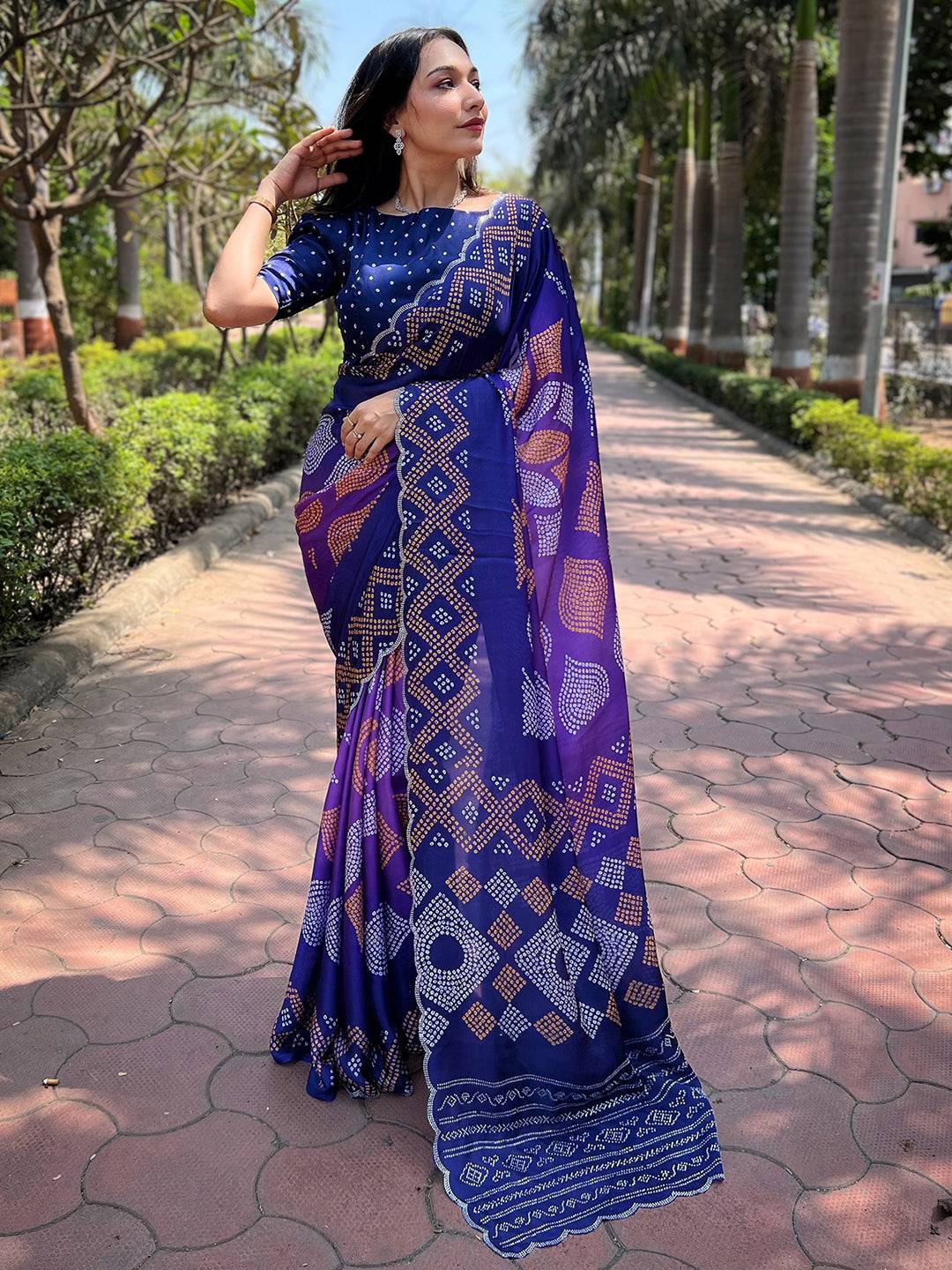

Originating from Gujarat and Rajasthan, Bandhani (or Bandhej) is a traditional tie-dye technique that creates dotted patterns by tightly tying fabric in specific spots before dyeing. The result is a mesmerizing mosaic of patterns such as leheriya (waves), dots, and squares, all bursting with vibrant color.
Why we love Bandhani:
- Bright, festive, and full of energy
- Symbolizes auspiciousness in Indian weddings and festivals
- Works beautifully for dupattas, lehengas, and sarees
Shop vibrant styles from our Bandhani Collection.
Banarasi: Regal Weaves from Varanasi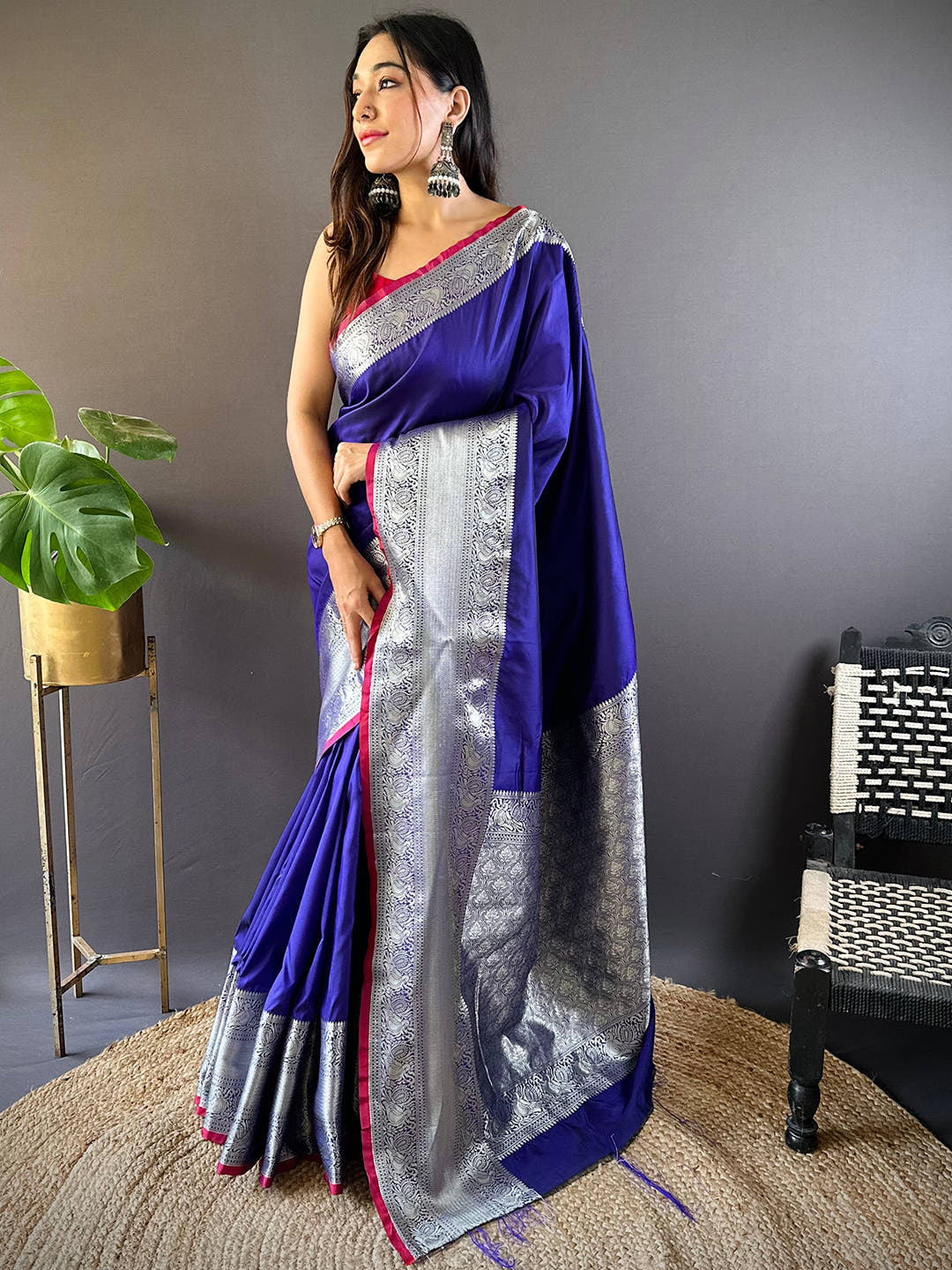

Banarasi sarees are synonymous with opulence and are a bridal favourite across India. Originating from the city of Varanasi, these sarees are woven with fine silk and often feature real gold or silver zari work.
Traditional motifs include peacocks, florals, and Mughal-inspired patterns that lend a royal finish.
Why Banarasi weaves are timeless:
- Luxurious texture and rich embroidery
- Heirloom-worthy and passed down through generations
- Ideal for weddings, festive celebrations, and grand occasions
Indulge in grandeur with our Banarasi Saree Collection.
Why Choose Handloom Over Mass Production?
Each of these weaving styles represents not just craftsmanship but cultural heritage. By choosing handwoven or handcrafted pieces, you're supporting artisan livelihoods and preserving Indian textile traditions.
At Vastranand, we are proud to partner with skilled weavers and local communities to bring authentic Indian ethnic wear to your wardrobe.
Shop the Legacy, Wear the Story
Whether you're dressing up for a wedding or just love the charm of Indian handlooms, Vastranand has something unique waiting for you. Explore our collections and embrace the timeless beauty of Kalamkari, Bandhani, and Banarasi weaves.
Ready to embrace India's most beloved weaves? Start shopping today and celebrate tradition with style.
Shop sarees from this story
Cream Colour Double Border Chex Weaving Banarasi Soft Silk Saree
₹ 999
Sky Blue Satin Georgette Saree
₹ 1,050
Zarocan Stone Cut Work Border Saree
₹ 1,050
Off White Ethnic Motif Silk Blend Saree
₹ 1,995
White Soft Silk Pashmina Kashmiri Print Saree
₹ 999
Baby Pink Soft Silk Kanjivaram Saree
₹ 1,550
Pink Bandhej Printed Dola Silk Saree
₹ 750
Pink Banarasi Silk Gadwal Pattu Saree
₹ 1,250 Soft Silk Pashmina Kashmiri Print Saree
₹ 999
Soft Silk Pashmina Kashmiri Print Saree
₹ 999 Sky Blue Pochampally Patola Soft Silk Saree
₹ 1,050
Sky Blue Pochampally Patola Soft Silk Saree
₹ 1,050Watch these sarees in motion
Loved this story? The sarees behind it are waiting for you — handcrafted, factory-direct, delivered across India.
Shop best sellers ← Back to The Vastranand Journal