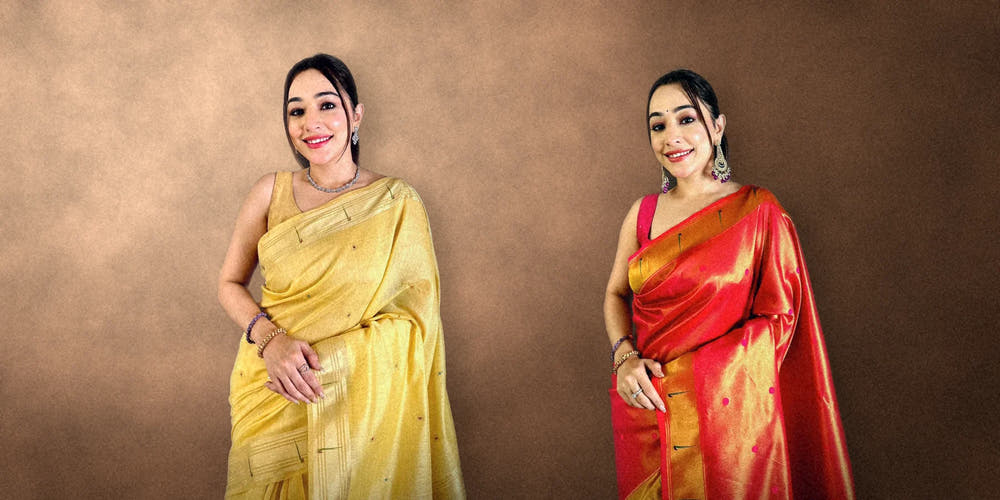
Shop Kurta Sets
 Opulent Kalamkari Overlap Neck Kurti
₹ 999
 Kalamkari Boat Neck Mul Kurti
₹ 999
 Diamond Neck Floral Mul Kurti
₹ 999
 Kalamkari Keyhole Collar Neck Mul Kurti
₹ 999
 Kalamkari Round Slit Neck Mul Kurti
₹ 999
 Collar Neck Kalamkari Art Kurti
₹ 999
 V Collar Neck Kalamkari Art Kurti
₹ 999
 Kalamkari Collar Neck Mull Kurti
₹ 999
A good kurti setting is how well the kurta sits on your body: shoulders flat, neckline steady, side seams straight and the hem falling evenly when you walk. If it feels easy to move in and looks the same standing and sitting, the setting is right.
Most shoppers judge a kurta by print and colour, then find it pulls or twists at home. This guide, written by our stylists, shows what to check and which mistakes to avoid, so your next kurta or kurta set sits well from the first wear.
What makes a good kurti setting?
A good kurti setting comes down to five things: shoulder fit, armhole comfort, the fall of the body, the length and the way the set works together. When these agree, the kurta looks neat without effort and you stop adjusting it all day.
The shoulder seam should rest where your shoulder ends, not slide down the arm or dig into the neck. The body should skim you, not grip or balloon. The hem should hang level, front and back, without lifting at the sides.
Think of it as three quick tests: stand, sit and raise your arms. A kurta that passes all three will usually pass a full day of wear, whether at the office, a family function or a festival.
- Shoulder seam sits at the edge of your shoulder
- Armhole lets you lift your arms without the hem rising
- Side seams hang straight, not pulled forward or back
- Hem is level all around
- Neckline stays flat and does not gape when you bend
How does fabric change the way a kurta sits?
Fabric decides the fall. A soft, fluid cloth drapes along your body, while a crisp or stiff one holds its own shape and stands away from you. Neither is wrong, but each needs a different cut to look right.
Take a silk kurta, for example. Silk has a natural sheen and weight that shows every pull line, so it rewards a clean, well-cut fit and a little ease rather than a tight one. If you are choosing a silk kurti for women, check how the cloth falls from the bust and whether it clings when you move.
Cotton and block-printed cloth are more forgiving and easy to wear all day. If you like a yellow block print kurta, remember that a bold print can hide a poor fit from far away but not up close. Check the seams, and see whether the print lines match at the side and the centre.
A heavier weave, such as the kind often worn as a pahadi kurta in cooler weather, needs more room at the arm and shoulder, especially if you plan to layer a shawl or jacket over it.
Which kurti setting mistakes do shoppers make most?
These are the slips we hear about most often. None of them is hard to fix once you know to look for them, and most can be caught before you order.
- Buying only by size label. Sizes differ between makers, so compare your own bust, waist and hip measurements with the size chart.
- Ignoring the shoulder. A loose waist can be altered, but a shoulder that is too wide or narrow is much harder to correct.
- Choosing length by the model photo. A kurta falls differently on different heights, so check the stated length against your own body.
- Forgetting the sitting test. A kurta that looks right standing may ride up or pull across the lap when you sit.
- Picking a tight fit for stiff fabric. Crisp cloth needs a little ease, or it will pucker at the seams.
- Not thinking about the bottom. A kurta that is set well on top but paired with the wrong pant or palazzo looks off-balance.
How should a kurta and its bottoms be set together?
A set looks right when the top and the bottom share a purpose. A long, flowing kurta usually sits well over a straight pant or churidar. A shorter, structured kurta often pairs better with a wide palazzo, which adds movement below the hem.
Many kurta suits women wear daily are bought as a set because the colour, fall and length have already been matched. That saves time, and it is one reason a set is a good place to begin if you are unsure how to put the pieces together.
Look at the hem of the kurta against the waistband and the ankle of the bottom. There should be a clear, deliberate gap, not a hem that just brushes the waist. Check also that the dupatta, if included, is light enough not to drag the neckline to one side.
How do colour and print affect how a kurta sits?
Colour and print change what the eye notices. A solid, deeper shade makes seams and fit the focus, so the cut has to be clean. A busy print draws attention to the pattern and softens small fit flaws.
Vertical lines and long, narrow motifs lengthen the look of the body. Large, scattered prints add volume. A yellow block print kurta, for instance, looks cheerful and fresh in daylight, and the placement of the print on the front panel matters as much as the shade.
If you are unsure which colours flatter you, our guide to saree colours for every Indian skin tone works equally well for choosing a kurta shade. You can also look at our block-print inspired saree styles, such as Bagru, to see how the craft is used across garments.
A short kurti setting guide before you order
Use this kurti setting guide as a checklist when you shop, whether online or in a store. It takes only a few minutes and saves a return later.
First, measure yourself and compare with the size chart, not just the size letter. Second, read the fabric details and picture how that cloth falls. Third, note the stated length and imagine where it ends on you. Fourth, check the neckline, sleeve and armhole style against how you move at work or at an event.
Finally, know the return rules. At Vastranand, returns are accepted within 22 days of delivery, so you can try the kurta at home, run the three tests of standing, sitting and raising your arms, and decide with a calm mind.
If you would like to see a range of ready-matched options, browse our Kurta Sets collection or the wider Ethnic Dresses collection.
Read next
- browse our Kurta Sets collection
- wider Ethnic Dresses collection
- Bagru
- saree colours for every Indian skin tone
Frequently asked questions
What is a good kurti setting?
A good kurti setting means the kurta fits at the shoulders, falls evenly over the body and moves easily when you walk, sit or raise your arms. The neckline stays flat, the side seams hang straight and the hem is level all around.
How do I know a kurta will fit before I order online?
Compare your own bust, waist and hip measurements with the size chart rather than relying on the size letter. Check the stated length against your height, and read the fabric details. Our returns window of 22 days from delivery lets you test the fit at home.
Should a silk kurta be tight or loose?
A silk kurta looks best with a little ease. Silk shows every pull line, so a very tight cut can look strained at the seams, while a very loose one loses its neat fall. Aim for a clean skim over the body with room to move.
Are kurta sets easier to wear than a separate kurta and pant?
Kurta sets save effort because the colour, length and fall of the pieces are already matched. You can still check that the hem sits well against the bottom and that the dupatta is light enough. Separate pieces give more freedom, but need a little more planning.
Does a block print kurta need a special fit?
Not special, but check the print placement. On a block print kurta, look at how the pattern meets at the seams and where the main motif sits on the front. A good fit keeps the print flat and balanced instead of stretched or bunched.
Shop sarees from this story
Opulent Kalamkari Overlap Neck Kurti
₹ 999
Kalamkari Boat Neck Mul Kurti
₹ 999
Diamond Neck Floral Mul Kurti
₹ 999
Kalamkari Keyhole Collar Neck Mul Kurti
₹ 999
Kalamkari Round Slit Neck Mul Kurti
₹ 999
Collar Neck Kalamkari Art Kurti
₹ 999
V Collar Neck Kalamkari Art Kurti
₹ 999
Kalamkari Collar Neck Mull Kurti
₹ 999
 Kalamkari Art Square Neck Kurti
₹ 999
 Crew Neck Kalamkari Art Kurti
₹ 999
Watch these sarees in motion
Loved this story? The sarees behind it are waiting for you — handcrafted, factory-direct, delivered across India.
Shop best sellers ← Back to The Vastranand Journal