Surat to Namma Bengaluru: Decoding Ethnic Fashion Demand Across South India
When we made the strategic leap from an online D2C model to physical retail with our flagship store in Jayanagar, Bengaluru, we weren’t simply opening another saree showroom in South Bangalore. We were embarking on a comprehensive regional market study across one of India’s most dynamic, culturally rich, and modern fashion capitals.

Bengaluru is a city defined by fascinating contrasts. On one side, it is home to tech-savvy, young working professionals seeking versatile, breathable, and effortless drapes for corporate hours, casual dinners, and weekend gatherings. On the other side, it remains deeply rooted in traditional heritage, where milestone celebrations, temple visits, and grand weddings demand rich, structural silk drapes featuring authentic Zari craftsmanship.
Bridging the 1,200-kilometer expanse between our 30,500 sq. ft. manufacturing facility in Surat, Gujarat, and the tree-lined shopping avenues of Jayanagar taught us a fundamental lesson in retail strategy: One size never fits all in Indian ethnic fashion.
Here is an in-depth analysis of how shifting consumer preferences are reshaping South India's saree market—and how direct-from-loom manufacturing is solving the regional curation puzzle.
1. The Dual Consumer Spectrum: Heritage Silk vs. Daily-Wear Organza
In South India's evolving fashion landscape, particularly within cosmopolitan hubs like Bengaluru, consumer demand naturally splits into two distinct yet overlapping categories:

A. The Heritage Traditionalists (Grand Weaves & Pure Silks)
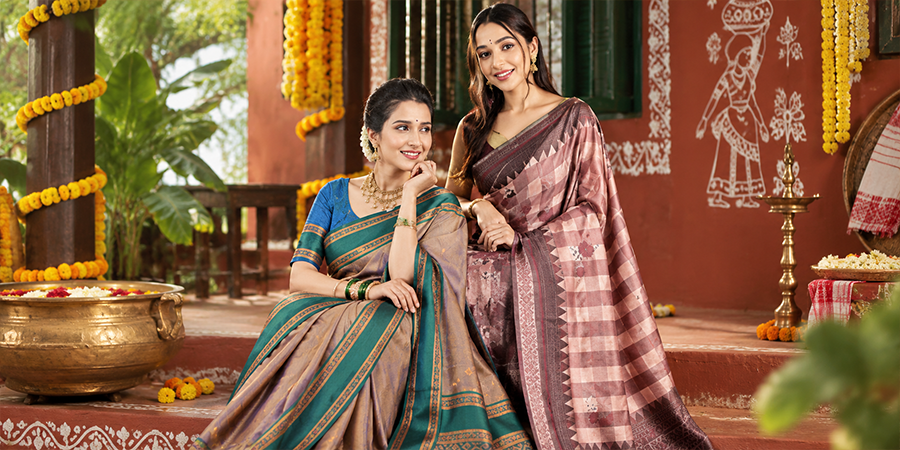
For weddings, housewarming ceremonies (Griha Pravesham), milestone family pujas, and temple visits, traditional shoppers prioritize structural weight, fabric purity, and rich cultural motifs.
-
Preferred Weaves: Pure Kanjivaram, heavy Pattu, royal Banarasi, and structural Dharmavaram drapes.
-
Key Attributes: Dense Zari borders, intricate temple motifs (gopuram designs), rich color blocking (deep maroons, temple reds, mustard yellows, and royal blues), and structural drape stability.
-
Shopping Behavior: Highly tactile—customers want to feel the weight of the silk, inspect the weave density, and test the metallic sheen of pure Zari work.
B. The Modern Urban Professionals (Functional Elegance)
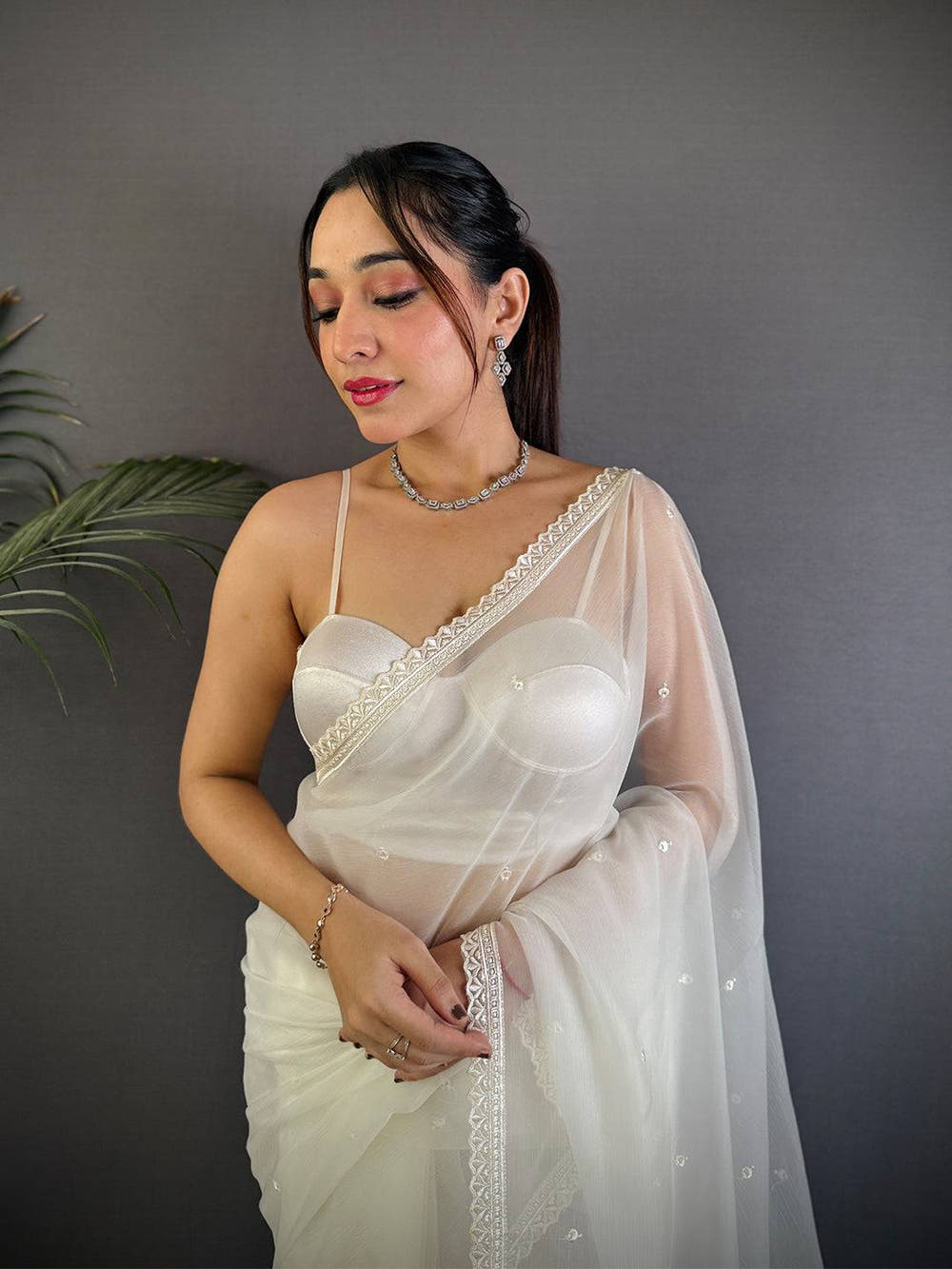
Bengaluru’s massive workforce has brought about a major revival of the saree as a daily statement piece. However, modern working women look for speed, comfort, and low maintenance.
-
Preferred Weaves: Feather-light Organza, Soft Silk, breathable Linen, Tussar, and digital-print Chiffons.
-
Key Attributes: Pastel palettes (dusty pinks, sage greens, lavender, lavender-grey, and ice blue), minimal weight, wrinkle resistance, and fast, single-pin draping.
-
Shopping Behavior: Convenience-focused—customers seek versatile drapes that transition seamlessly from office presentations to evening family gatherings.
2. Surat to South India: The Power of Localized Inventory Curation
Historically, Northern textile hubs like Surat were recognized primarily for mass-market synthetics or generalized North Indian aesthetic choices. However, Surat’s true advantage lies in its world-class weaving technology, production flexibility, and manufacturing scale.

By connecting our Surat manufacturing looms directly to our Jayanagar retail floor through our Open Factory-to-Customer (F2C) model, we eliminated the complex web of brokers, regional distributors, and wholesalers who traditionally dictate what local retailers can stock.
This direct line enables real-time regional curation:
-
Precision Color Curation: Adapting thread dyes to local preferences—balancing South India's timeless love for rich contrast borders with modern pastel trends favored by urban youth.
-
Weave Weight Modulation: Adjusting warp and weft density on our looms to produce soft silk variations specifically optimized for warmer climates and comfortable long-hour wear.
-
Rapid Floor-to-Loom Feedback: Testing new design concepts directly on our Jayanagar display tables and communicating customer feedback to our Surat production managers in days rather than months.
3. Seasonal Demand Patterns in the South Indian Market
Understanding regional demand cycles is essential for maintaining healthy inventory turnover without markdowns or dead stock:
-
The Festive Surge (August – October): Aligning with Varamahalakshmi, Gowri-Ganesha, Dussehra, and Deepavali, demand pivots heavily toward traditional Pattu, Kanjivaram, and Bandhani drapes featuring authentic Zari borders.
-
The Wedding Season (November – February & April – June): High demand for grand Banarasi brocades, bridal Kanjivarams, and curated wedding trousseaus.
-
The Corporate & Summer Window (March – May): A shift toward lightweight Organza, Tussar, and Soft Silk collections tailored for daytime formal wear and festive gifting.
4. The Path Ahead: Regional Expansion Powered by F2C Transparency
Our experience in Bengaluru reinforces a clear reality: The future of ethnic fashion retail belongs to brands that offer complete transparency, authentic craft, and localized choice.
By taking full control of our supply chain—from thread selection on Surat looms to the open display tables in Jayanagar—Vastranand is building a sustainable, scalable blueprint for ethnic retail across South India.
When you step into our store or shop Saree online, you aren't just buying a saree—you are accessing a direct line to India’s rich textile heritage without artificial middleman markups.
Frequently Asked Questions (FAQs)
Q1: What makes Vastranand’s Jayanagar store different from traditional saree showrooms in Bengaluru?
A: Vastranand operates on an Open Factory-to-Customer (F2C) model. Unlike traditional showrooms that place sarees behind glass counters or locked cabinets, our 1,500+ sq. ft. store features open display tables where you can freely touch, feel, and inspect over 6,000+ authentic designs. Because we manufacture our drapes in Surat, you get true factory-direct pricing with zero middleman markups.
Q2: How does Surat manufacturing cater specifically to South Indian saree preferences?
A: Our 30,500 sq. ft. manufacturing facility in Surat uses advanced weaving looms capable of producing traditional South Indian weaves—such as heavy Zari Kanjivarams, Dharmavarams, and Pattu silks—with exact warp/weft density. This allows us to deliver traditional craftsmanship at accessible, direct-from-loom prices.
Q3: What types of sarees are available at the Vastranand Jayanagar store?
A: Our store features dedicated collection zones, including:
-
Bridal & Heritage: Pure Kanjivaram, Royal Banarasi, Heavy Pattu, and Dharmavaram.
-
Lightweight & Daily Wear: Soft Silk, Organza, Linen, Chiffon, and Tussar.
-
Artistic & Festive: Kalamkari, Bandhani, and digital-print sarees.
Q4: Can I inspect fabric purity before purchasing in-store?
A: Yes! Our Jayanagar store features an interactive Fabric Purity & Weave Bar where you can examine raw silk grades, inspect authentic silver and gold Zari work, and learn how to test for genuine weave quality with help from our on-floor stylists.
Q5: Does Vastranand offer same-day saree delivery across Bengaluru?
A: Yes. Through our integrated Bangalore Fast Delivery Service, orders placed through our Jayanagar hub can be delivered to your doorstep on the same day across most Bengaluru locations.
Q6: Where is the Vastranand store located in Bengaluru?
A: Our flagship store is located at:
Plot No. 632/18/3, 10th B Main Rd, 4th T Block East, Jayanagar, Bengaluru, Karnataka 560011.
You can also locate us directly on - https://share.google/elcpkvA2iC8QnKPmM
Shop sarees from this story
 Pink Bandhej Printed Dola Silk Saree
₹ 750
Pink Bandhej Printed Dola Silk Saree
₹ 750
 Multi Satin Georgette Saree
₹ 1,050
Multi Satin Georgette Saree
₹ 1,050 Cream Colour Double Border Chex Weaving Banarasi Soft Silk Saree
₹ 999
Cream Colour Double Border Chex Weaving Banarasi Soft Silk Saree
₹ 999 White Soft Silk Pashmina Kashmiri Print Saree
₹ 999
White Soft Silk Pashmina Kashmiri Print Saree
₹ 999 Sky Blue Satin Georgette Saree
₹ 1,050
Sky Blue Satin Georgette Saree
₹ 1,050 Vibrant Soft Chinnon Chiffon Floral Saree
₹ 750
Vibrant Soft Chinnon Chiffon Floral Saree
₹ 750 Soft Silk Pashmina Kashmiri Print Saree
₹ 999
Soft Silk Pashmina Kashmiri Print Saree
₹ 999 Sky Blue Pochampally Patola Soft Silk Saree
₹ 1,050
Sky Blue Pochampally Patola Soft Silk Saree
₹ 1,050 Classic Floral Print Chiffon Saree
₹ 1,050
Classic Floral Print Chiffon Saree
₹ 1,050
 Pink Satin Georgette Floral Print Saree
₹ 1,250
Pink Satin Georgette Floral Print Saree
₹ 1,250Watch these sarees in motion
Loved this story? The sarees behind it are waiting for you — handcrafted, factory-direct, delivered across India.
Shop best sellers ← Back to The Vastranand Journal